

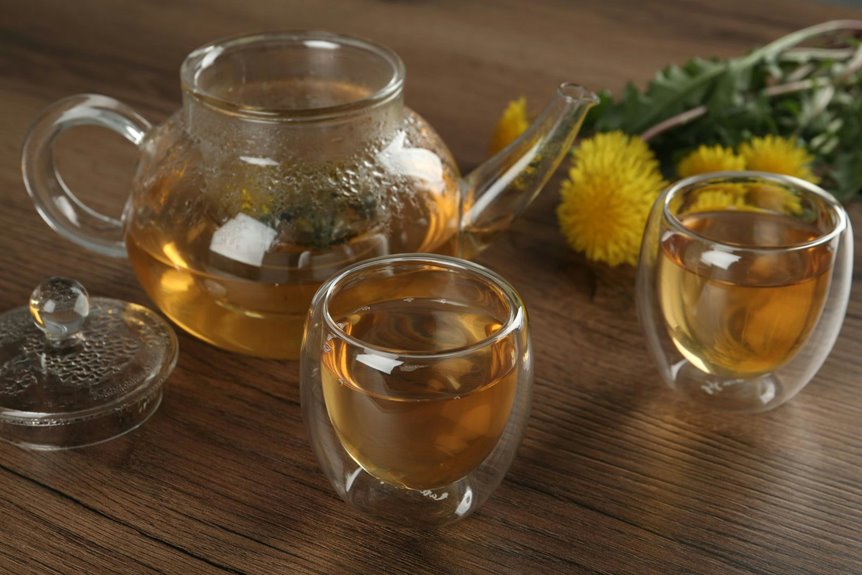
Yes, black tea genuinely helps with colds. It contains polyphenols—powerful compounds that reduce inflammation, soothe your sore throat, and support your immune system while you’re fighting infection. The warmth and steam loosen congestion, while moderate caffeine gives you gentle energy without overstimulation. Adding lemon boosts antiviral effects and vitamin C, while ginger enhances anti-inflammatory relief. Three cups daily can accelerate your recovery. Understanding how these components work together reveals why this simple remedy remains so effective.
Does Black Tea Really Help With Colds?

So, can black tea actually help when you’ve got a cold? Yes, it offers genuine benefits worth considering. Black tea contains polyphenols like catechins that work as antioxidants and anti-inflammatory agents, helping soothe your sore throat and reduce irritation. These compounds support your immune system while you’re fighting the infection.
The antiviral properties in black tea become even stronger when you add lemon, which boosts vitamin C content. Additionally, black tea provides B vitamins that directly support immune function during recovery.
Beyond chemistry, the warmth and steam from a hot cup help relieve congestion and throat dryness. However, remember moderation matters. Caffeine can cause overstimulation when your body needs rest, so balance your intake carefully while recovering.
What Makes Black Tea Effective for Cold Relief

What’s actually happening when you sip black tea during a cold? You’re getting polyphenols that reduce throat inflammation and irritation. These compounds soothe the discomfort that makes swallowing painful.
Black tea contains EGCG and other catechins, powerful antioxidants that strengthen your immune function. They help your body fight oxidative stress caused by the infection itself. Vitamin B in black tea supports your immune system further, accelerating recovery.
When you add lemon, you’re boosting antiviral effects. The citrus works alongside tea’s compounds to potentially lower your overall virus load. The warmth of hot tea also brings immediate relief—it loosens congestion and comforts your irritated throat. Together, these elements make black tea a practical, evidence-based cold remedy that addresses multiple symptoms simultaneously.
How Black Tea Compares to Other Cold-Fighting Teas

Is black tea really your best choice among cold-fighting options?
You’ll find black tea delivers strong antioxidants and throat relief that compare favorably to other options. Here’s how it stacks up:
- Black tea’s polyphenol content provides antioxidants similar to green tea, supporting your immune system during illness
- Lemon-enhanced black tea amplifies antiviral effects and reduces virus load more effectively than plain herbal alternatives
- Caffeine benefits give you energy support that chamomile or peppermint teas can’t match
Black tea offers stronger throat comfort than green tea, though it may be harder on a sensitive stomach. Herbal teas with honey better soothe coughs and hydration, while elderberry and echinacea have mixed clinical evidence. Your choice depends on your priorities: if you want robust antiviral effects and throat relief, black tea serves you well. If cough soothing matters more, herbal blends work better.
Anti-Inflammatory Benefits for Sore Throats

Black tea’s polyphenols work as natural anti-inflammatory agents, targeting the root cause of sore throat discomfort. When you drink black tea, these compounds reduce inflammation in your throat tissues, easing pain and irritation caused by your cold.
The warmth of a steaming cup soothes your throat immediately. It also calms aggressive clearing that worsens irritation. By drinking three cups daily, you’ll accelerate relief and support your body’s natural healing process.
| Benefit | How It Works |
|---|---|
| Reduces inflammation | Polyphenols target throat tissue swelling |
| Promotes hydration | Steaming liquid replaces lost fluids |
| Prevents further damage | Warmth reduces harsh throat clearing |
Black tea’s anti-inflammatory effects create an environment where your sore throat can genuinely heal. You’re addressing discomfort while supporting overall throat comfort during illness.
Vitamin B and Immune Support During Illness

When you’re fighting a cold, you’ll want to know that black tea contains Vitamin B, which fuels your immune system by supporting energy metabolism and activating your body’s defense mechanisms. Regular black tea consumption strengthens your immunity against viruses by keeping these protective processes active, even before illness strikes. During recovery, pairing black tea’s Vitamin B with its antioxidants gives you a dual approach to bolster your defenses while you rest and recover.
Black Tea’s Vitamin B Content
How much does your immune system rely on B vitamins when you’re fighting off a cold? You’ll find that black tea contains several B vitamins that work directly to support your body’s defense mechanisms during illness.
When you drink black tea, you’re giving your immune system targeted nutritional support:
- B vitamins strengthen white blood cell function, helping your body fight off cold-causing pathogens more effectively
- Vitamin B enhances energy production, which your body desperately needs while recovering from sickness
- Regular black tea consumption builds immune resilience, protecting you even before cold symptoms appear
Black tea’s vitamin B content complements its natural antioxidants, creating a combined defense strategy. These vitamins aid your recovery processes by supporting cellular function and reducing immune-related stress. Think of black tea as part of your broader cold-fighting toolkit rather than a standalone solution.
Strengthening Immunity Against Viruses
Your body’s ability to fight off cold and flu viruses depends heavily on how well your immune cells function, and that’s where vitamin B steps in. When you consume black tea regularly, you’re giving your immune system the support it needs to mount a stronger defense against invading pathogens.
Vitamin B in black tea activates key immune processes that help your body recognize and neutralize viral threats more effectively. This nutrient works alongside the antioxidants naturally present in black tea, creating a dual-action approach to immunity. Together, these compounds enhance your immune function, making your body more resilient when cold season arrives.
Recovery Support Through Regular Consumption
Black tea’s vitamin B content becomes particularly valuable once you’re already dealing with a cold or flu. When you’re sick, your body needs extra support to fight infection and recover faster. That’s where regular black tea consumption helps you most.
Vitamin B works in your body by:
- Supporting energy production when illness drains your resources
- Strengthening immune cell function to combat viral infections
- Aiding tissue repair during recovery stages
Drinking black tea consistently, even before you get sick, builds your immune defenses. Once illness strikes, those B vitamins jump into action alongside antioxidants, helping your system mount a stronger response. You’re essentially creating a foundation for better recovery. The combination of these nutrients accelerates how quickly your body bounces back from colds and flu symptoms.
Boost Black Tea’s Power: Lemon and Ginger

You can amplify black tea’s cold-fighting effects by adding lemon and ginger, two ingredients that work together to tackle your symptoms from multiple angles. Lemon brings antiviral properties and vitamin C that directly support your immune system, while ginger delivers anti-inflammatory compounds that soothe throat irritation and reduce swelling. To get the most benefit, you’ll want to brew your tea for 4–5 minutes with a lid on, then stir it occasionally, since this method releases the therapeutic compounds that strengthen your body’s overall immune response.
Lemon’s Antiviral Power
How much more effective could your black tea be with just a squeeze of lemon?
Lemon’s antiviral properties transform your cup into a powerful cold-fighting tool. You’re combining two forces: black tea’s natural compounds and lemon’s vitamin C content work together to target viruses in your body.
Here’s what you gain from this pairing:
- Antiviral support: Lemon contributes antiviral characteristics that amplify black tea’s existing benefits
- Virus reduction: The combination actively helps reduce your total virus population
- Immune boost: Vitamin C strengthens your body’s defenses during cold season
You’ll experience enhanced antioxidant and immune-supportive properties by adding just a squeeze or two of lemon juice. This simple adjustment makes your tea specifically effective for cold and cough treatment. You’re not just drinking tea—you’re creating a targeted wellness beverage that supports gut cleansing and overall detoxification during illness.
Ginger’s Soothing Benefits
Ginger’s anti-inflammatory compounds offer targeted relief that transforms your black tea into a comprehensive cold remedy. When you add ginger to your brew, you’re gaining multiple benefits that work together against cold symptoms.
Ginger tea soothes your sore throat by reducing inflammation and irritation. The anti-inflammatory properties calm the inflamed tissues causing discomfort. Additionally, ginger inhibits certain microorganisms, which can lower your infection risk when combined with black tea’s natural compounds.
Beyond throat relief, ginger addresses other cold-related issues. It eases nausea and stomach upset that often accompany illness. You’ll also notice improved breathing as ginger helps clear sinuses and reduce congestion.
For maximum benefits, simmer ginger with black tea for 4-5 minutes under a lid and stir mid-brew. This technique maximizes the soothing effects you’re seeking during recovery.
Optimal Brewing Techniques
Now that you understand ginger’s individual benefits, combining it with lemon and black tea requires specific brewing methods to release their full potential. You’ll want to simmer your black tea with fresh ginger and lemon squeezes for 4–5 minutes, then cover the cup during brewing. This lid traps aromatic compounds and catechins that boost antioxidant power.
Here’s what makes this technique effective:
- Covering your tea preserves volatile aromatics that escape into air
- Fresh ginger releases anti-inflammatory oils through gentle heat
- Lemon’s antiviral compounds work synergistically with black tea’s natural benefits
The trapped steam keeps these active ingredients concentrated in your cup rather than lost. You’re essentially creating a targeted remedy by controlling temperature and time. Add honey as a natural sweetener to further soothe your throat while keeping the blend palatable and effective.
How Much Black Tea Should You Drink When Sick?

When you’re fighting off a cold, the question of dosage matters just as much as the remedy itself. A 3-cup-a-day routine offers quicker throat relief and anti-inflammatory benefits you’re seeking. Black tea contains caffeine, though, so you’ll want to moderate your total daily intake to avoid overstimulation while you’re already feeling worn down.
Each cup delivers antioxidants like EGCG and catechins that support your immune system’s recovery efforts. You can enhance black tea’s antiviral effects by adding lemon juice to moderate amounts—though evidence here remains mostly anecdotal. Stick with gentler, well-tolerated preparations that won’t irritate your sore throat. Avoid overly strong brews; they’ll aggravate discomfort rather than soothe it. This balanced approach gives you healing benefits without pushing your body too hard.
Picking Quality Black Tea Blends for Winter

Once you’ve figured out how much black tea to drink, you’ll want to make sure you’re picking the right kind. Quality matters when you’re fighting a cold, so focus on blends designed specifically for winter wellness.
Look for these features in your selection:
- Black tea blends featuring antioxidant polyphenols and EGCG compounds that support your body’s defenses
- Immune-supporting ingredients like lemon, ginger, or lemongrass paired with quality leaves
- Blends marketed for throat comfort with clear sourcing information from reputable brands
Choose blends that combine high-quality black tea with ingredients targeting congestion and inflammation. Reputable brands provide transparent ingredient lists, helping you understand exactly what you’re consuming. Prioritize blends emphasizing both flavor and functional benefits. This approach ensures you’re getting real health support, not just marketing promises.