

You’ll get chewier, denser cookies by swapping bread flour for all-purpose—its higher protein content (11.7–13%) strengthens gluten development and traps more moisture. Use a 1:1 substitution by weight, but add 1–2 teaspoons of liquid per cup to prevent dryness. Bake at 400°F for 10–11 minutes, removing when edges firm but centers still jiggle slightly; residual heat finishes the job. Chill dough 30 minutes before baking for best results. Understanding these adjustments reveals why technique matters more than ingredients alone.
Bread Flour Changes Texture, Not Flavor
Swap bread flour into your cookie recipe, and you’ll notice the difference immediately—but only in how the cookies feel, not how they taste. Bread flour contains higher protein content—roughly 11.7 to 13 percent compared to all-purpose flour’s lower levels. This extra protein promotes stronger gluten development, which directly affects your chewy cookies’ structure and mouthfeel.
The texture changes happen because increased protein allows your dough to retain more liquid. This creates a denser interior with slightly crisper edges. You’re not changing the flavor profile; you’re transforming how the cookie behaves when you bite into it. The chewiness intensifies as protein content rises, making each bite more substantial. For consistent results across batches, weigh your ingredients and stick with one flour brand, since protein levels vary between products.
Why Higher Protein Makes Chewier Cookies
When you use bread flour, you’re working with a higher protein content—typically 11–13%—that strengthens gluten development and creates more elastic dough structure, which directly translates to chewier cookies. This increased protein also helps your dough absorb and retain more moisture during baking, keeping the interior denser and softer rather than dry or crumbly. The result is a noticeably different texture compared to all-purpose flour: you’ll get that desirable chewy center while still maintaining crispy edges.
Protein Content and Gluten Development
Why does bread flour create chewier cookies than all-purpose flour? The answer lies in protein content and what happens when you mix it with water.
Bread flour contains 11–13% protein, markedly higher than all-purpose flour. When you combine this protein-rich flour with liquid, you activate gluten development—the network that gives dough structure and elasticity. Here’s what you’ll experience:
- Stronger gluten formation traps more gas bubbles, creating a denser crumb structure
- Increased moisture retention keeps your cookies softer longer after baking
- Enhanced elasticity allows dough to stretch without tearing, holding its shape better
This gluten strength shifts the balance between protein and starch gelatinization toward chewiness. You’re essentially building a more resilient framework that resists drying out. The result: cookies with noticeably chewy centers and satisfying texture throughout.
Texture Results From Bread Flour
The moment you bite into a cookie made with bread flour, you’ll notice the difference immediately. You’re experiencing the direct result of higher protein content, which strengthens gluten networks. These reinforced networks trap moisture throughout baking, creating a denser interior that stays chewier longer after cooling.
When you mix bread flour dough, you’re developing gluten more extensively than with all-purpose flour. This extended development means your dough absorbs and retains more liquid, fundamentally changing how your cookies bake. The result? Bendier, chewier cookies with firmer edges compared to their all-purpose counterparts.
You’ll notice this transformation across different recipes—buttery snickerdoodles, chocolate chip cookies, and vanilla drops all show measurable increases in chewiness. The chewiness intensifies as gluten development progresses under water exposure. This mechanism explains why bread flour consistently delivers that satisfying, prolonged chew you’re seeking.
Bread Flour vs. All-Purpose: What’s the Difference?
bread flour contains roughly 11–13% protein, while all-purpose flour sits around 9–11%. This difference matters because protein directly impacts gluten formation in your dough.
When you use bread flour, you’re working with a flour that absorbs more liquid and creates stronger gluten networks. Here’s what that means for your cookies:
- Chewier texture: The extra gluten creates a tender yet chewy bite
- Denser interior: Your cookies develop a more substantial crumb structure
- Crisper edges: The moisture retention produces contrasting textures throughout
All-purpose flour, by comparison, produces softer, more tender cookies with less chew. Since brand variations affect protein content differently, check your flour’s packaging for specific guidance. This ensures you’ll achieve consistent results every time you bake.
How Much Bread Flour Should You Use?
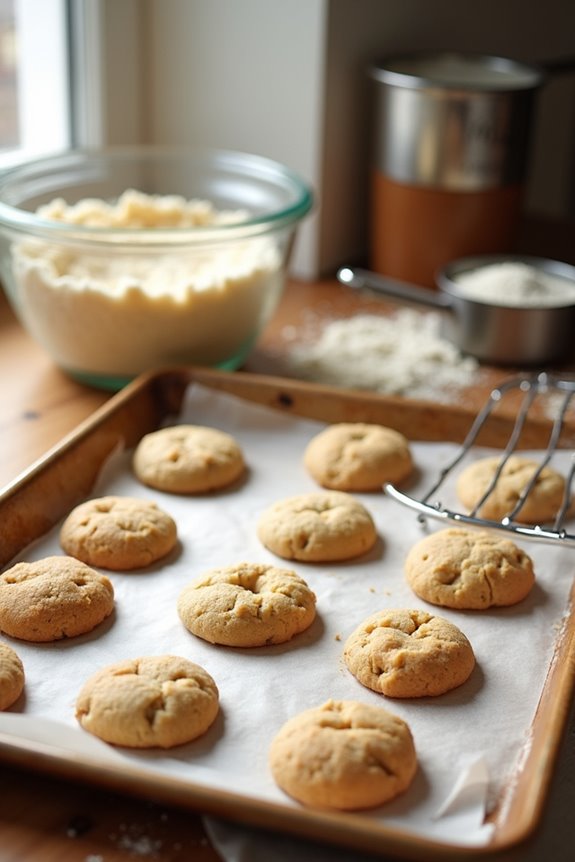
You can substitute bread flour for all-purpose in a 1:1 ratio, though you’ll notice the main difference is increased chewiness rather than a dramatic texture shift. Since bread flour’s higher protein content—typically 11–13% versus all-purpose’s 9–11%—absorbs more liquid and builds stronger gluten networks, you may need to add a bit more water or butter to your dough if it feels dry. Brand matters here too, so check the protein percentage on your flour’s packaging and adjust your liquid amounts accordingly to maintain the moisture level your cookies need.
One-to-One Flour Substitution
How much bread flour should you swap in for all-purpose? You can use a straightforward one-to-one substitution. This means replacing all your all-purpose flour with bread flour in equal amounts, whether you’re measuring by weight or volume.
Here’s what happens with this swap:
- Increased protein content: Bread flour contains 11–13% protein compared to all-purpose’s 9–11%, which directly affects your dough
- Texture transformation: You’ll notice denser, chewier cookie interiors while edges stay crispy
- Minimal liquid adjustments: You may need only 1–2 teaspoons extra liquid per cup since bread flour absorbs more moisture
The flavor remains unchanged. Brand variations mean slight texture differences are normal. Weigh your ingredients for consistency and monitor your dough’s hydration closely. This approach keeps substitution simple without requiring recipe restructuring.
Protein Content Adjustments
Why does protein percentage matter so much when you’re baking cookies? Higher protein content directly influences how much gluten develops in your dough. Bread flour contains 11.7–13% protein, compared to all-purpose flour’s lower amount, which creates more gluten strands. These strands trap moisture and air, producing that signature chewy texture you’re after.
When you substitute bread flour for all-purpose, you’re essentially amplifying gluten formation. This means your cookies’ll develop a denser interior while maintaining crisp edges. To maximize chewiness, use bread flour as written in recipes. Alternatively, blend 75% bread flour with 25% all-purpose for flexible control over texture.
Keep in mind that protein percentages vary between brands. Weighing your flour ensures consistency across batches, helping you achieve predictable results every time.
Liquid Absorption Compensation
Bread flour’s higher protein content fundamentally changes how your dough absorbs liquid. Because bread flour binds more water than all-purpose flour, you’ll notice your dough becomes noticeably stiffer when you use a 1:1 substitution. This hydration adjustment is essential for achieving the right dough consistency.
Here’s what you need to do:
- Start with your recipe as written, then monitor the dough texture closely
- Add liquid gradually in small increments (1–2 teaspoons per cup) until the dough just comes together
- Aim for a scoopable consistency that holds its shape without cracking
Weigh your ingredients for precision, since protein content varies between brands and bags. This liquid absorption compensation prevents overly dense, dry cookies. Small adjustments make the difference between success and disappointment.
What You’ll Need: The Ingredient Breakdown
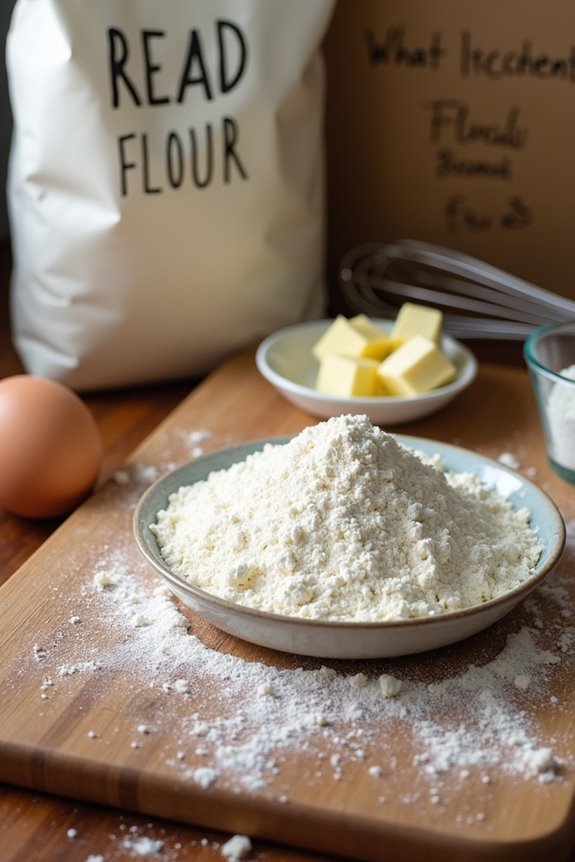
When you’re swapping bread flour into your cookie recipe, you’re working with a fundamentally different ingredient than all-purpose flour. Bread flour contains 11.7%–13% protein, which directly impacts your dough’s structure and texture. This higher protein content promotes gluten development, creating those chewy cookies you’re after.
The trade-off is hydration. Bread flour absorbs more liquid than all-purpose, so your dough may feel dry initially. You’ll likely need to add 1–2 teaspoons of liquid per cup of flour to achieve the right consistency. This adjustment prevents dense, crumbly results.
For precision, measure your flour by weight using baker’s percentages. This approach removes guesswork and accounts for protein variations between brands. You’ll get consistent, predictable outcomes every time you bake.
Mix and Chill: Making the Dough
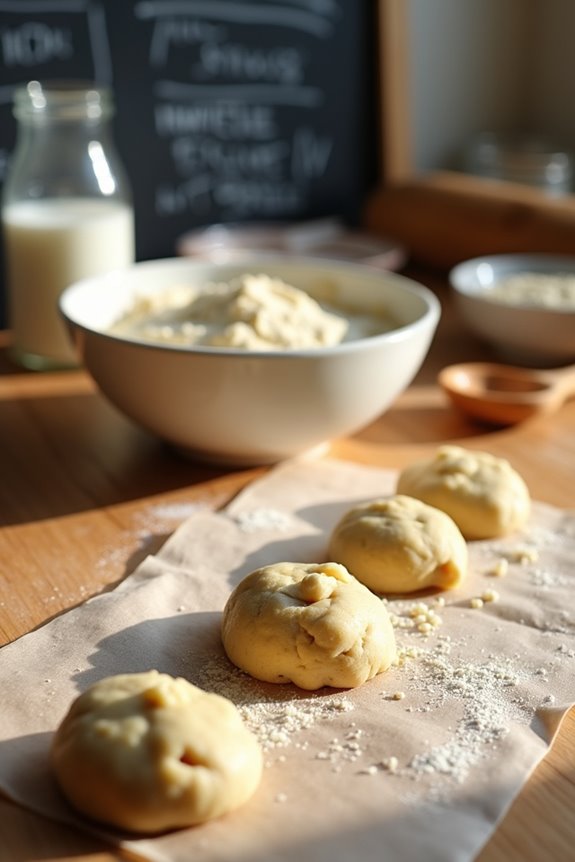
To build the foundation for chewy cookies, you’ll start by browning your butter, which deepens its flavor and adds richness to your dough. Once it’s cool and solid, you’re ready to cream it with your sugars.
Here’s what happens next:
- Cream the butter and sugar together until fluffy, then add eggs and vanilla to build structure into your dough
- Mix your bread flour, salt, and baking powder on low speed to avoid overdeveloping gluten, which would make your cookies tough instead of chewy
- Fold in chocolate chips by hand, then portion your dough into 9 scoops of about 110 grams each
Dough chilling is essential. Refrigerate for 30 minutes to an hour before baking. This rest period lets gluten development settle and prevents excessive spreading in the oven.
Underbake for Chewy Centers: Temperature & Timing
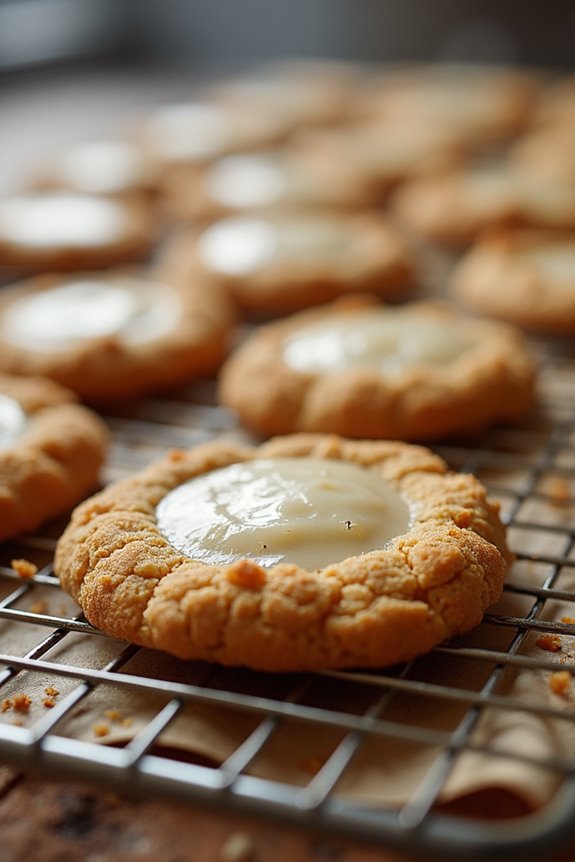
You’ll want to pull your cookies from the oven when they’re about 70% baked, with firm edges but a center that still jiggles slightly—this is the sweet spot for maximum chew. The residual heat continuing to cook the center after removal is what gives you that perfect soft interior, so don’t wait for the cookies to look fully done in the oven. At 400°F for 10–11 minutes using bread flour, you’re targeting that exact balance where the edges set while the middle stays tender.
Timing For Soft Centers
The secret to chewy, soft centers lies in pulling your cookies from the oven before they’re fully baked. You’ll rely on residual heat to finish the job after removal, a technique that keeps your bread flour cookies tender where it matters most.
Target these timing strategies for optimal results:
- Remove cookies at approximately 70% baked to prevent hardening the centers and support a fudgy, soft core
- Aim for a 10–11 minute bake at 400°F to achieve a dense, soft interior with crisp edges
- Allow cookies to cool briefly on the sheet; the centers firm slightly as warmth continues setting them
If your cookies seem too soft after cooling, you’ve nailed the timing. That slight underbake combined with residual heat creates the chewy texture you’re after.
Residual Heat Finishes Baking
Once you remove your bread flour cookies from the oven at the 70% mark, the real magic happens off the heat. Residual heat continues baking the interior while the edges cool and crisp. This process creates that signature contrast you’re after: a chewy center paired with a firm exterior.
The key is timing. Pull your cookies at 10–11 minutes at 400°F, and let residual heat do the final work. If you wait too long before removing them, that extra heat pushes the centers toward overbaked rigidity instead of chewy perfection. Tests confirm that underbaking by a few minutes, then relying on residual heat, consistently delivers dense, chewy bread flour cookies. Respect this window, and you’ll nail the texture every time.
The Result: Dense, Chewy Interiors With Crispy Edges
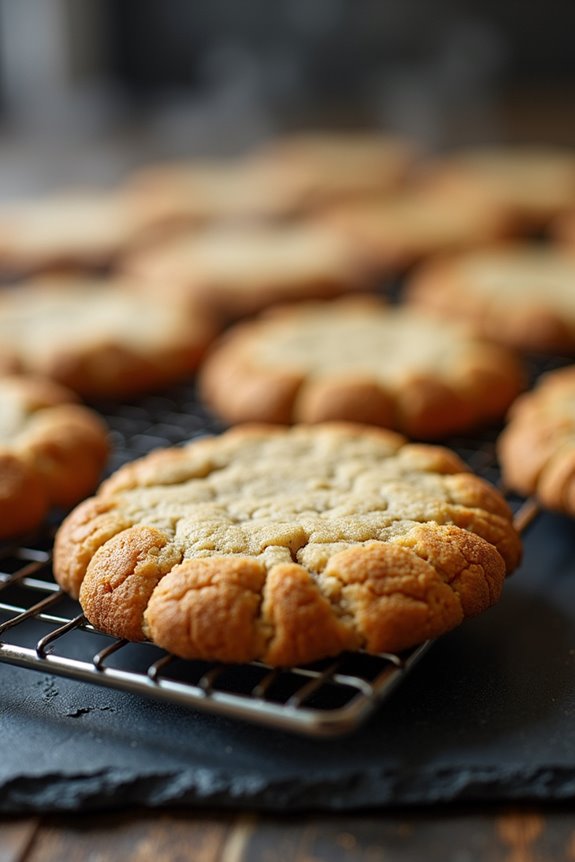
What happens when you swap bread flour into your cookie dough? You’ll discover a texture transformation that sets these cookies apart from standard versions.
Bread flour’s higher protein content—around 11.7–13%—drives stronger gluten development. This creates the signature result you’re after:
Bread flour’s higher protein content drives stronger gluten development, creating the signature chewy texture you’re after.
- A dense, chewy interior that stays soft and satisfying with each bite
- Crispy, golden edges that provide textural contrast against the tender center
- Increased moisture retention from the flour’s enhanced liquid absorption
When you bake at 400°F for 10–11 minutes, residual heat continues working after removal. The edges set and crisp while the centers remain underbaked intentionally, finishing soft as they cool. This deliberate approach yields cookies with remarkable chew—noticeably different from all-purpose flour versions, yet without flavor changes. You’re essentially engineering the perfect cookie structure through ingredient choice and precise timing.
Why Your Dough Feels Dry (and How to Fix It)?
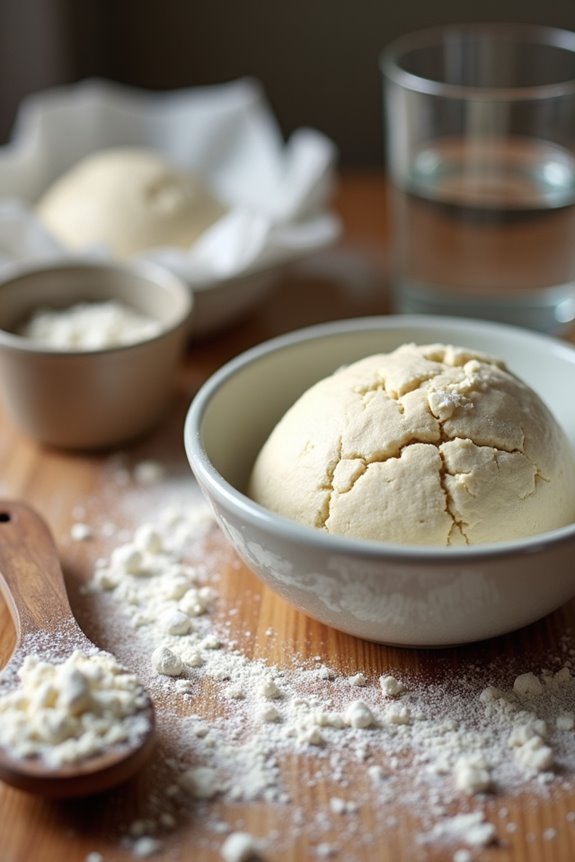
Why does your dough feel noticeably drier when you’re working with bread flour instead of all-purpose? Bread flour contains more protein, which strengthens gluten development but demands extra moisture. The flour simply absorbs more liquid than you’d typically use, leaving your dough feeling parched and stiff.
Here’s what you can do. Add 1–2 teaspoons of liquid per cup of flour to restore balance. Water or milk works well. Stir gradually until your dough reaches the right consistency.
You’ve also got another option: chill your dough for 30 minutes to overnight. This patience pays off. As your dough rests, the flour hydrates fully, and fat solidifies, reducing surface dryness naturally.
Finally, weigh your ingredients rather than scooping. Accurate measurements prevent over-packing, ensuring consistent hydration every time.
Common Mistakes and How to Avoid Them
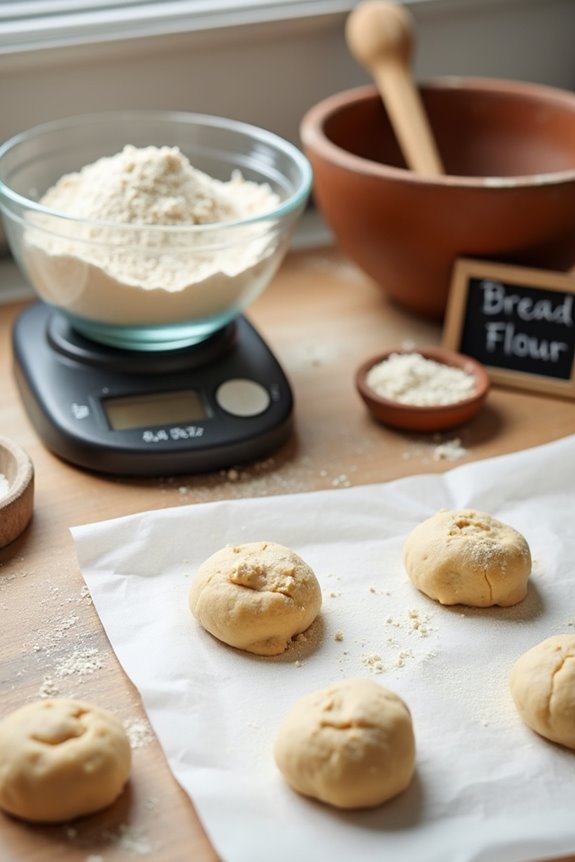
Getting your dough’s moisture right is half the battle, but how you bake those cookies matters just as much. You’ll encounter two main pitfalls when working with bread flour:
- Over-hydrating the dough prevents chewy cookies by creating excess moisture that bakes off unevenly
- Under-baking leaves cookies too soft or crumbly instead of achieving that desired chew
- Inconsistent bake time ruins gluten development, which bread flour relies on for texture
Adjust your liquid carefully—add only 1–2 teaspoons per cup of flour if dough dries out. Monitor bake time closely since bread flour’s higher protein content accelerates browning. Use a kitchen scale for precise measurements across batches, as flour variability affects how gluten forms. These adjustments ensure consistent, genuinely chewy results every time you bake.
Make-Ahead Options: Freezing and Storage
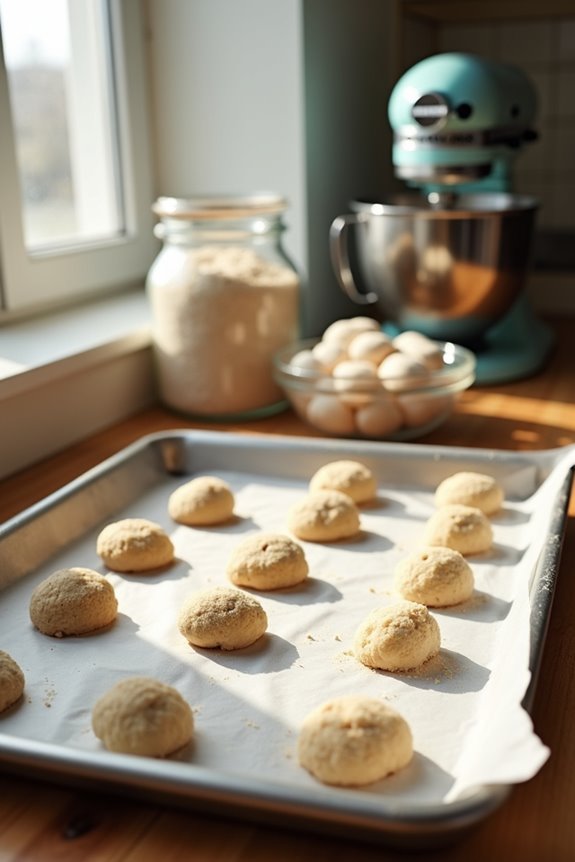
Chilling your dough before baking isn’t just convenient—it’s actually one of the best ways to improve your cookies when you’re working with bread flour. You can refrigerate dough for at least 30 minutes or up to overnight. This resting period enhances flavor and creates chewier texture in your finished cookies.
Freezing offers even longer storage. You’ll want to portion your dough into 110-gram balls or keep it as discs before freezing. This consistent sizing ensures even baking across batches. Label your frozen dough with the date and flour type you’ve used—it’s a small step that maintains consistency when you’re baking multiple batches.
You don’t need to thaw frozen dough before baking. Simply add a few extra minutes to your bake time, and you’ll achieve the same delicious results.
Customizations: Chocolate Types and Mix-Ins That Work
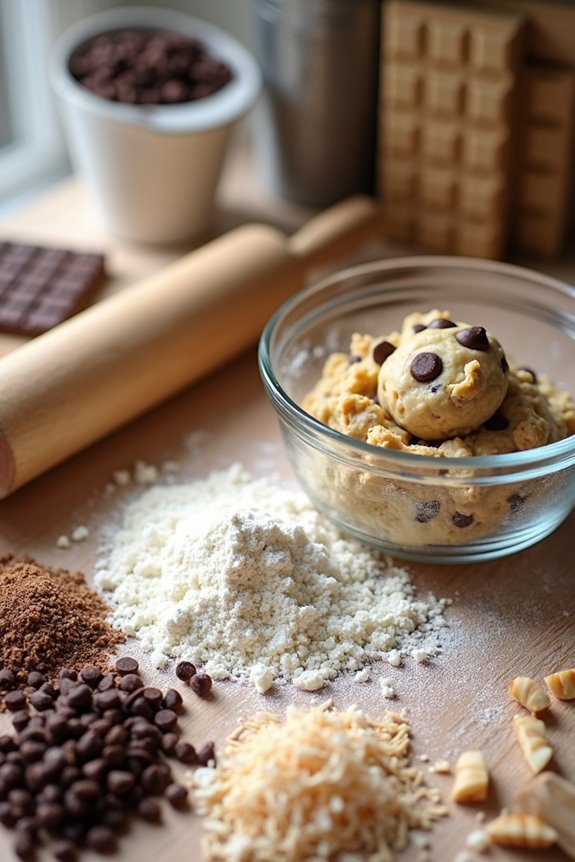
Once you’ve mastered the basic bread flour cookie, it’s time to experiment with mix-ins that’ll enhance what this flour does best.
Bread flour creates a chewy structure that pairs beautifully with specific chocolate types and additions. Dark chocolate chips deliver rich, intense flavor that complements the cookie’s dense center. Milk and white chocolate chips melt readily, creating an even fudgier interior.
Consider these mix-ins for texture and flavor contrast:
- Nuts like pecans or almonds add satisfying crunch against the chewy base
- Dried fruit such as cranberries or cherries provides bursts of tartness and sweetness
- Salted caramel or toffee pieces introduce sweet-savory notes that harmonize with bread flour’s structure
Each combination works with your dough’s natural tendencies, amplifying what makes bread flour cookies distinctive. Experiment to find your preferred flavor profile.