

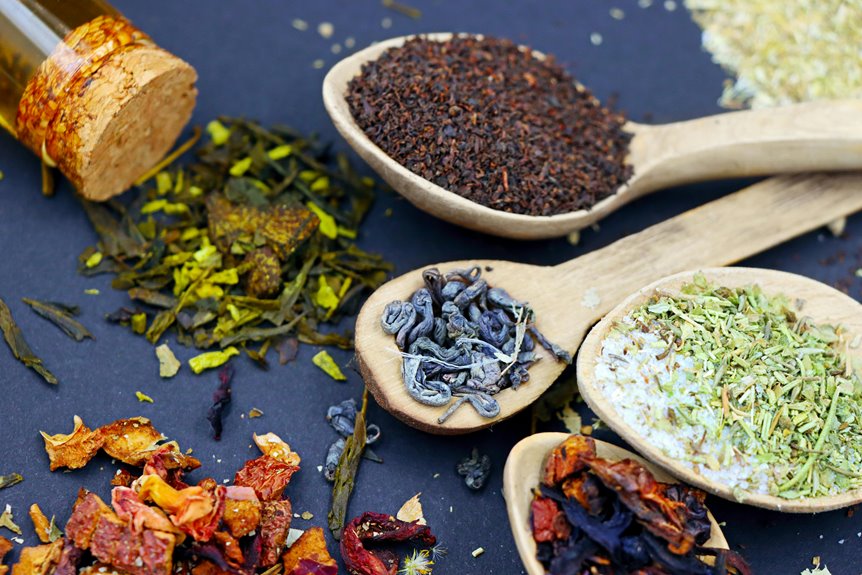
You’ll encounter three main teas at Chinese restaurants: oolong for its balanced, versatile flavor; jasmine green tea for its light, floral accessibility; and pu-erh for its earthy character and digestive benefits. Most establishments serve loose-leaf varieties that allow multiple infusions, revealing deeper complexity with each steeping. Your server might also offer house blends unique to that locale or region. The specific tea you’re served depends on local customs and what grows nearby, so what you find in Cantonese establishments differs substantially from northern locations.
What Tea Is Actually Served at Your Chinese Restaurant
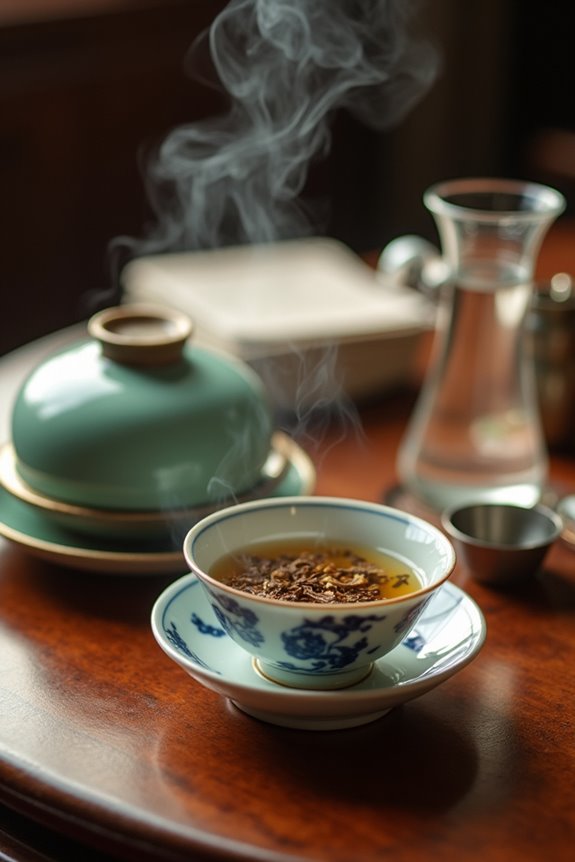
When you sit down at a Chinese restaurant, what’s actually in that small ceramic cup? You’re likely getting oolong tea, the most common choice served across establishments. This traditional option pairs well with most meals and offers a balanced flavor profile that doesn’t overpower food.
You might also encounter jasmine tea, a fragrant green tea scented with jasmine flowers, known for its light, refreshing taste. Pu-erh tea represents another popular option, valued for its earthy character and digestive benefits that complement rich dishes.
Some restaurants serve Chinese Restaurant Tea, a house blend unique to their location. Many establishments use loose leaf brewing and multiple infusions, allowing you to enjoy several steepings from a single serving. This approach maximizes flavor and creates an authentic tea experience.
Why Jasmine Green Tea Dominates Western Menus
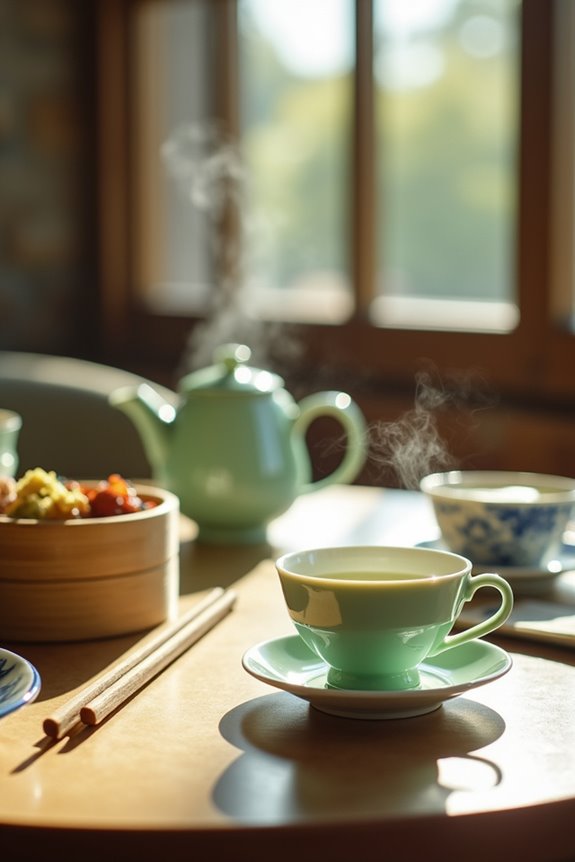
Why does jasmine green tea appear so frequently on Chinese restaurant menus in the U.S. and parts of Europe? The answer lies in its universal appeal and strategic positioning within restaurant operations.
- Accessible flavor profile: Jasmine green tea offers a light, floral aroma that resonates with Western palates unfamiliar with traditional Chinese tea varieties, making it an approachable introduction to green tea.
- Versatile pairing: Its refreshing taste complements a wide range of dishes, from appetizers to mains, eliminating uncertainty about tea selection for diners.
- Gateway experience: Restaurants feature jasmine green tea in loose-leaf form or samplers, positioning it as an entry point to broader green tea exploration and customer engagement.
This strategic dominance reflects how establishments balance authenticity with accessibility, ensuring patrons discover tea’s role in their dining experience.
Oolong, Pu-erh, and Black Tea Explained
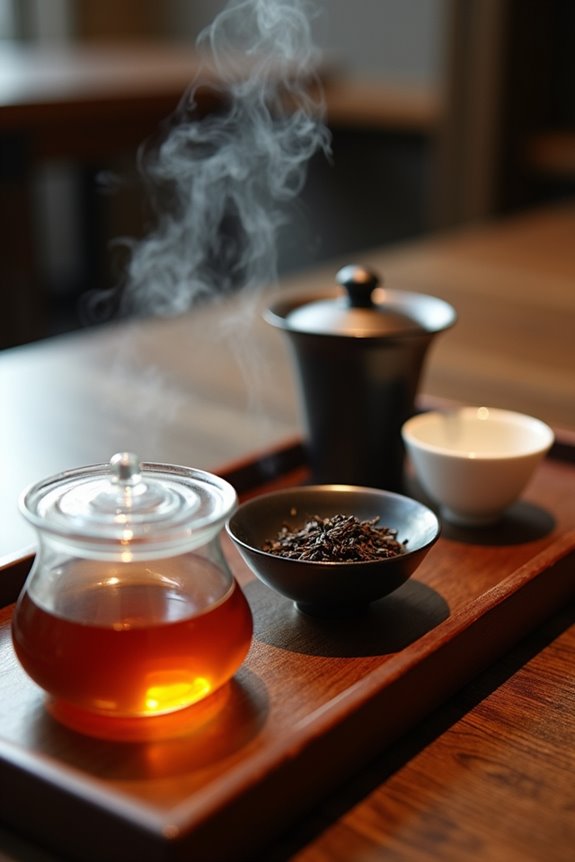
Beyond jasmine green tea’s approachable appeal, Chinese restaurants offer several other foundational varieties that cater to different tastes and dining occasions. Oolong presents you with remarkable range—from light, floral profiles to dark, nutty complexity. You’ll receive loose leaf oolong prepared for multiple infusions, each steeping revealing new flavors. Brewers use higher water temperatures, around 195–205°F, to properly extract these qualities.
Pu-erh tea, particularly ripe varieties, delivers earthy, smooth notes with reddish-brown color and mellow sweetness. Restaurants frequently recommend it because it aids digestion, making it ideal after rich meals. Black tea rounds out your options with full-bodied, malty character that pairs exceptionally well with hearty or greasy dishes. All three varieties showcase how Chinese restaurants match tea selections to enhance your entire dining experience.
How Location Changes What You’re Served?
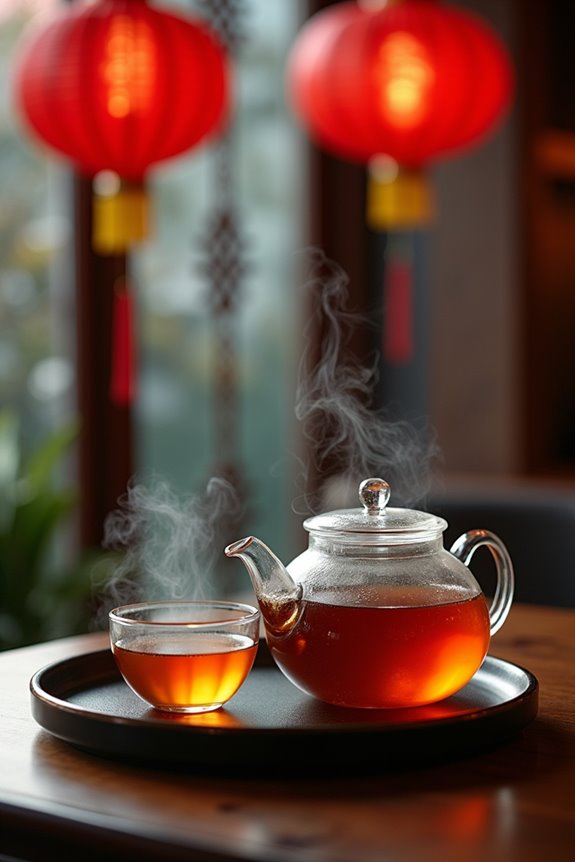
You’ll notice the tea menu shifts dramatically depending on which region’s Chinese restaurant you visit, since local preferences and tea-growing areas shape what arrives at your table. In Cantonese regions, you’re more likely to encounter jasmine, pu-erh, and oolong because these teas grow abundantly nearby and pair well with dim sum traditions, while Sichuan restaurants balance their spicier dishes with palate-refreshing teas suited to that cuisine. Geography essentially determines your options—restaurants source from local suppliers and honor regional customs, so asking your server what teas they specialize in reveals how location influences their entire selection.
Regional Tea Preferences Shape Menus
Where you eat matters far more than you might think with respect to what tea lands in your cup. Regional preferences directly shape restaurant menus based on local tea cultivation and established taste traditions.
- Cantonese restaurants typically serve Jasmine tea, Pu-erh, and Oolong because these varieties grow abundantly nearby and align with regional digestion preferences
- Hangzhou establishments showcase Longjing (Dragon Well) green tea, reflecting Zhejiang province’s famous tea gardens and centuries-old growing heritage
- Sichuan locations offer palate-cleansing teas that balance the region’s signature spice, helping you enjoy meals more comfortably
Southern China favors Pu-erh for digestive benefits, while Northern areas lean toward Jasmine and green tea. Your restaurant’s location determines what options you’ll encounter. Local proximity ensures menus feature varieties grown nearby, creating authentic regional experiences that connect you to tea traditions.
Geography Influences Available Selections
How does a restaurant’s location actually determine what tea you’ll drink? Your geography shapes the menu you receive. In Southern regions like Guangdong and Fujian, you’ll encounter Pu’er and oolong because these teas thrive in humid climates and aid digestion. Visit a Zhejiang establishment, and Longjing appears frequently—this prized green tea dominates Eastern China dining. Northern restaurants prioritize Jasmine tea and green varieties, pairing them with heavier dishes that benefit from palate cleansing. Local availability drives these choices. Proximity to tea-growing regions means fresher supplies and lower costs. Country-wide staples like Jasmine Green tea appear everywhere, but regional influences determine what you’re actually served. Your location’s climate, local agriculture, and cultural preferences combine to shape your teacup.
Local Growing Regions Drive Choices
Tea plantations don’t just influence what’s available—they determine what restaurants actually serve. You’ll find Zhejiang establishments proudly feature Longjing green tea because it’s grown locally, making it fresher and more affordable. Similarly, Yunnan black tea dominates menus in its region due to nearby cultivation. Pu’er thrives in Yunnan’s climate, so southern restaurants stock it abundantly for digestion after rich meals.
Here’s what drives these choices:
- Proximity reduces costs and ensures peak freshness for your cup
- Local pride connects diners to regional heritage and tradition
- Climate compatibility means tea thrives naturally in certain areas, guaranteeing quality
When you visit Hangzhou, expect Longjing. Head south, and Pu’er becomes standard. Visit Yunnan, and you’re tasting black tea perfected through generations. Restaurants serve what grows best nearby, giving you authentic flavors tied directly to place.
Why Quality Varies: Loose Leaf vs. Tea Bags
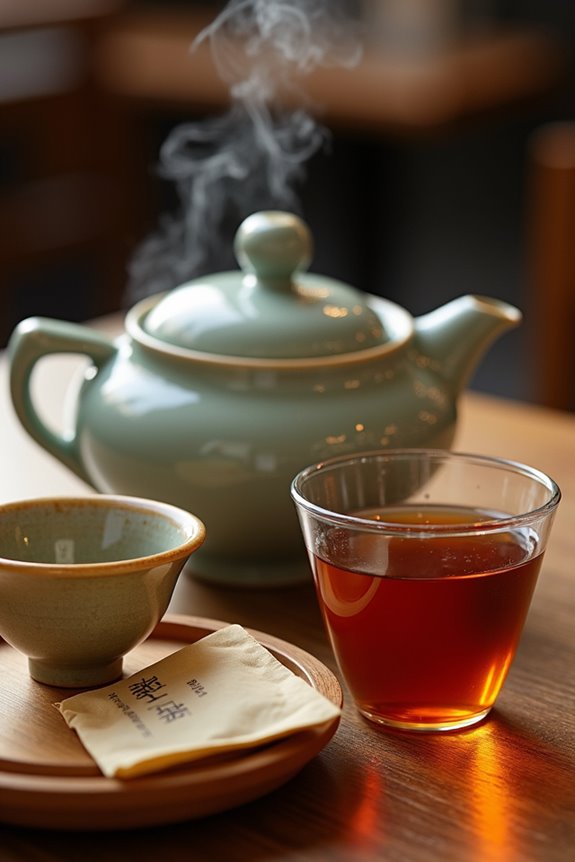
You’ll notice a significant difference when you compare whole leaf tea to tea bags, since loose leaves release their flavors more completely during steeping. Tea bags typically contain broken leaves and dust—what remains after higher-quality whole leaves are sorted out—and these fragments brew quickly but produce a thinner, less complex taste. Higher-end Chinese restaurants invest in loose-leaf service because whole leaves unfurl properly in hot water, allowing you to enjoy multiple infusions from the same leaves throughout your meal.
Whole Leaf Tea Standards
Why does the tea at one restaurant taste noticeably better than at another? The answer lies in whole-leaf standards, which separate exceptional establishments from mediocre ones.
When you order loose-leaf tea, you’re getting intact leaves that release flavor gradually through multiple infusions. Broken leaves—common in tea bags—lose their oils and aromatics quickly, delivering flat, bitter tastes. Premium venues understand this distinction.
True whole-leaf jasmine green tea or oolong requires precise water temperature and proper leaf-to-water ratios to shine. You’ll notice the difference immediately:
- Whole leaves unfurl fully, revealing complex flavors
- Multiple steepings improve with each infusion
- Aroma deepens noticeably as leaves expand
When restaurants commit to whole-leaf standards, they’re investing in your tea service experience. This choice reflects their dedication to quality and their respect for traditional Chinese tea culture.
Broken Leaves In Bags
When you’re served tea in a bag at a Chinese restaurant, you’re getting fragments rather than whole leaves—and that distinction matters substantially for what ends up in your cup. Tea bags contain broken leaves, which expose more surface area to water but deteriorate faster. This speeds up flavor extraction initially, yet the compounds release too quickly. You’ll notice the taste feels thinner and less complex than loose-leaf options.
Broken leaves also lose aromatic oils during processing and storage, diminishing the authentic experience. Many establishments choose bagged tea for convenience and cost efficiency. However, restaurants committed to authenticity use loose-leaf tea instead. They provide multiple infusions per serving, allowing you to taste how flavor deepens with each pour. That’s when you’re truly experiencing the tea’s full potential.
Brewing Restaurant-Quality Tea at Home
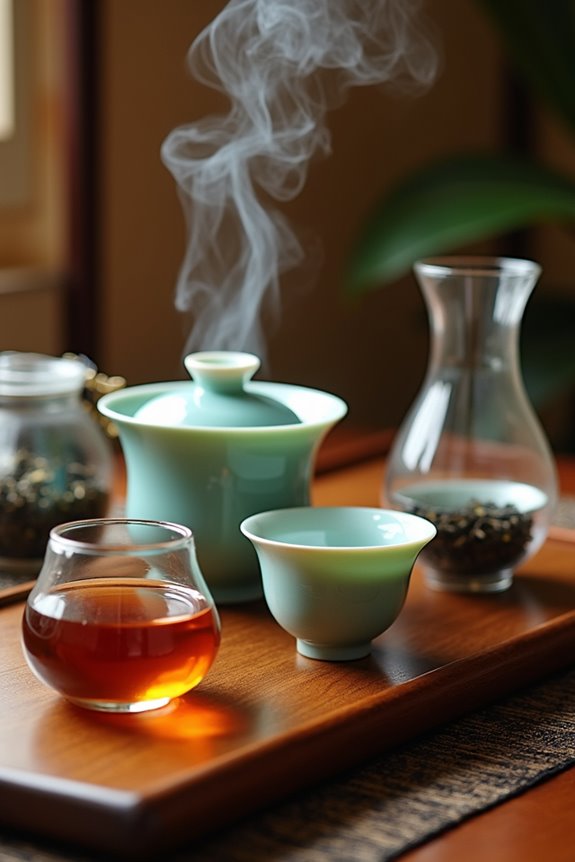
How do Chinese restaurants consistently brew tea that tastes so much better than what most people make at home? The secret lies in attention to detail. You’ll need high-quality whole-leaf teas like Oolong, Jasmine green tea, or Pu-erh instead of broken leaves in bags. Here’s how to replicate that restaurant quality:
- Use whole-leaf loose-leaf tea and preheat your teaware with hot water before brewing
- Maintain proper brewing temperature—around 195–205°F for Oolong and similar varieties
- Follow the right leaf-to-water ratio of about 1–1.5 teaspoons per 6–8 ounces
Multiple short infusions develop fuller flavor over time, just like restaurants do. This approach transforms your tea experience, connecting you to the same traditions Chinese eateries practice daily.
What to Ask Your Server for Better Tea?
Most servers can tell you exactly what tea you’re drinking if you simply ask—yet many diners never do. Request specifics like “Jasmine green tea,” “Oolong,” or “Pu-erh” to discover what’s actually in your cup. Ask about the tea’s origin, whether it’s Longjing green, Tie Guan Yin Oolong, or Yunnan Pu-erh. These details matter because origin affects flavor and quality.
Don’t settle for standard brewing. Ask your server about infusion temperature—typically 180-195°F works best—and request multiple infusions rather than one weak steep. You’ll extract better flavor this way. Finally, inquire if your restaurant offers a house blend or specialty selection. Servers appreciate diners who engage thoughtfully with tea, and you’ll unlock an authentically superior experience.
Where to Buy Chinese Restaurant Tea
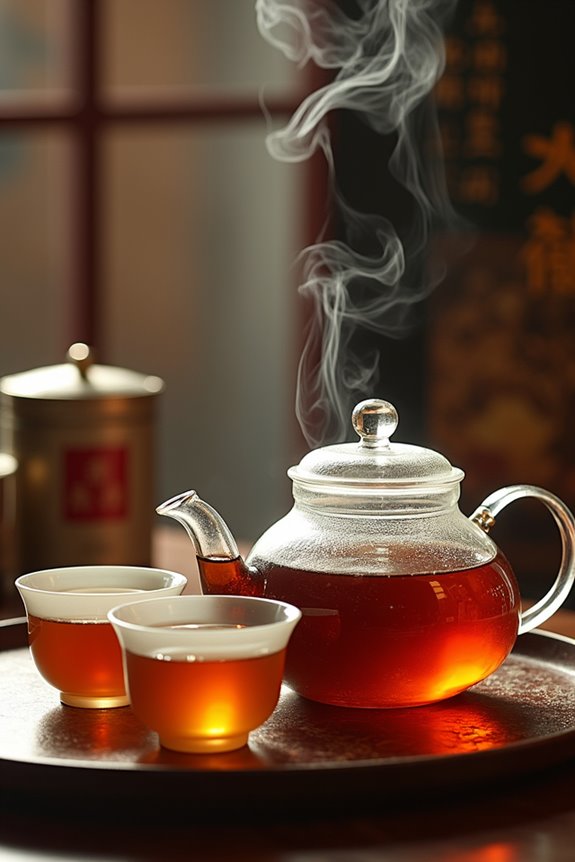
You’ll find the same loose-leaf teas served at Chinese restaurants available through online retailers, specialty tea shops, and Asian grocery stores.
- Online tea vendors stock authentic jasmine green tea, pu-erh, and oolong varieties marketed as “the real thing,” letting you recreate restaurant experiences at home with quality loose-leaf options.
- Specialty tea shops curate regional varieties based on origin, so you can explore Cantonese jasmine blends, Hangzhou’s Longjing green tea, or southern pu-erh selections matching specific restaurant styles.
- Local Asian markets offer affordable loose-leaf tea in bulk, allowing you to experiment with multiple infusions throughout meals just like restaurants do.
These sources ensure you’re purchasing the same quality teas your favorite restaurants use, enabling authentic at-home enjoyment.
How Tea Aids Digestion and Cleanses Your Palate
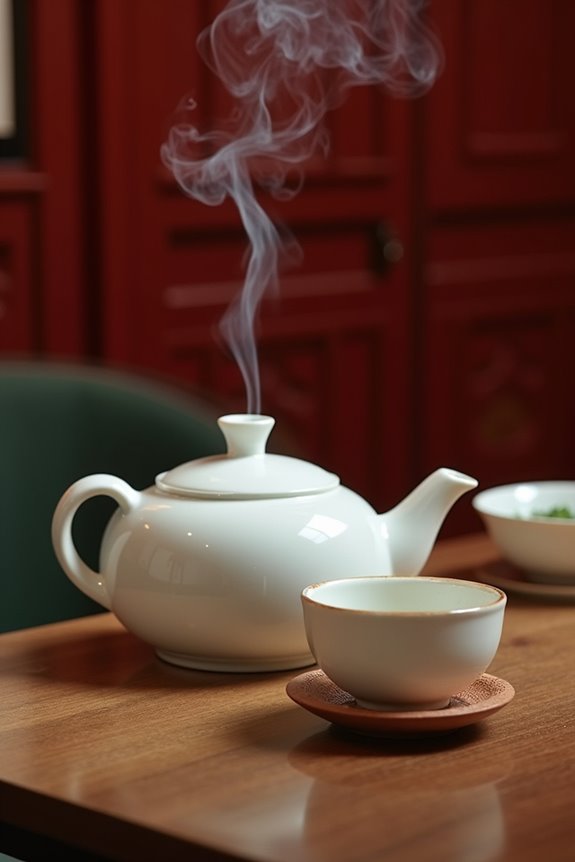
Chinese restaurants consistently serve tea throughout your meal for reasons that go beyond tradition—it’s a practical tool for enhancing both digestion and your eating experience. Loose-leaf tea varieties like jasmine work actively to stimulate your digestive system, helping your body process rich or oily foods more efficiently. Modern research supports what diners have long experienced: tea genuinely aids digestion.
The palate-cleansing effect matters just as much. Between bites, you’re resetting your taste buds, making each dish taste fresher and more distinct. This happens because tea cuts through flavors clinging to your mouth, preparing you for the next course.
Your tea service isn’t just hospitality—it’s integral to how the meal functions. The warm cup in your hands, the continuous supply, the shared experience: these elements work together to support both your body’s digestive process and your overall satisfaction.