
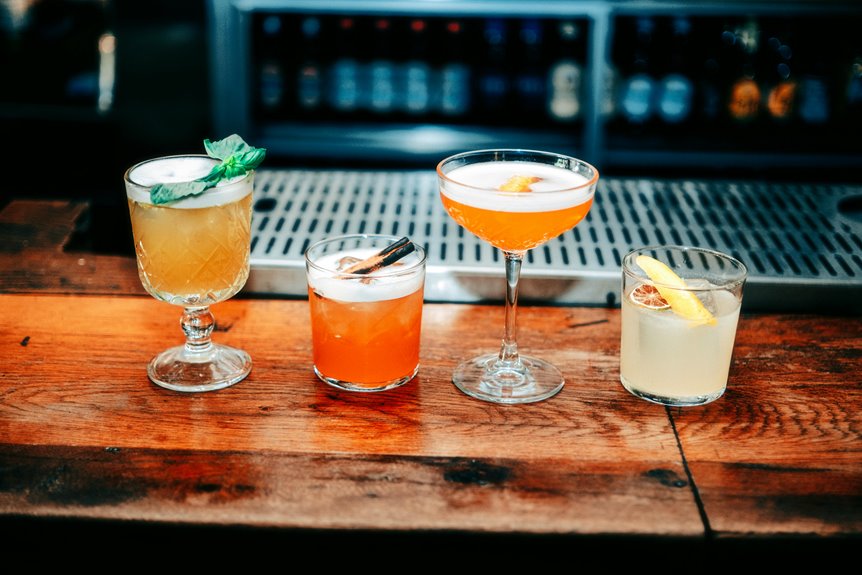
A shrub cocktail combines vinegar-based syrup with spirits, mixers, or sparkling water to create tart, complex drinks. You’ll mix fruit, sugar, and vinegar in a 1:1:1 ratio, then choose your method: heat everything together for faster results, or let fruit and sugar sit cold for delicate flavors. After straining out solids and letting it rest 24–48 hours, you’ve got a versatile base that pairs with gin, whiskey, or soda. The specifics of timing and technique unlocks deeper flavor potential.
What Is a Shrub Cocktail?
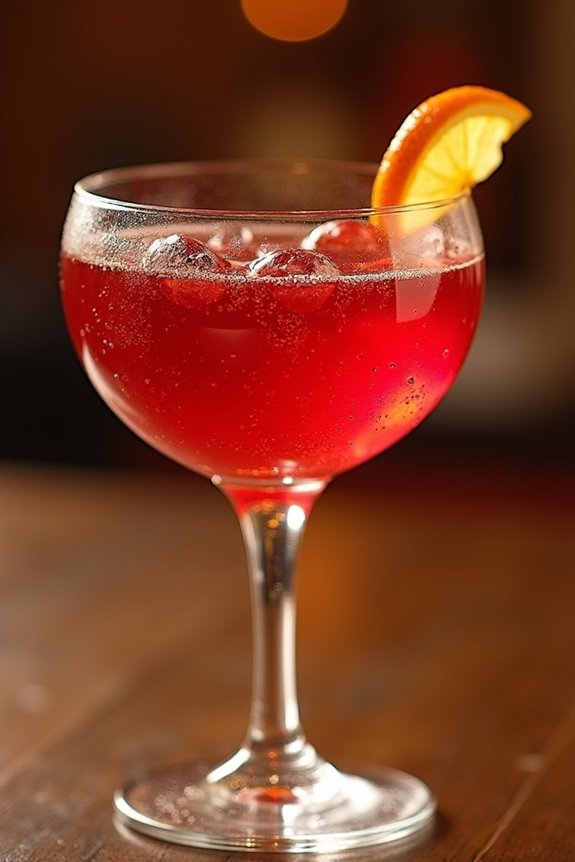
Ever wonder where that tangy-sweet drink comes from? A shrub cocktail combines a vinegar-based syrup with spirits, mixers, or sparkling water to create something uniquely flavorful. You’ll find that the drink delivers both tartness and sweetness in every sip, making it distinctly memorable.
The magic happens in the shrub syrup itself. This foundation blends vinegar, sugar, and fruit together, typically in equal amounts. The syrup develops through either hot or cold extraction methods, each producing slightly different flavor profiles. Hot processing boils ingredients together, while cold processing lets fruit release its juices naturally into sugar before vinegar joins in.
What makes shrub cocktails appealing is their versatility. You can pair them with gin, whiskey, soda, or lemonade. They preserve seasonal fruit flavors, letting you enjoy summer’s bounty year-round in both alcoholic and non-alcoholic drinks.
The Origins of Shrub Cocktails
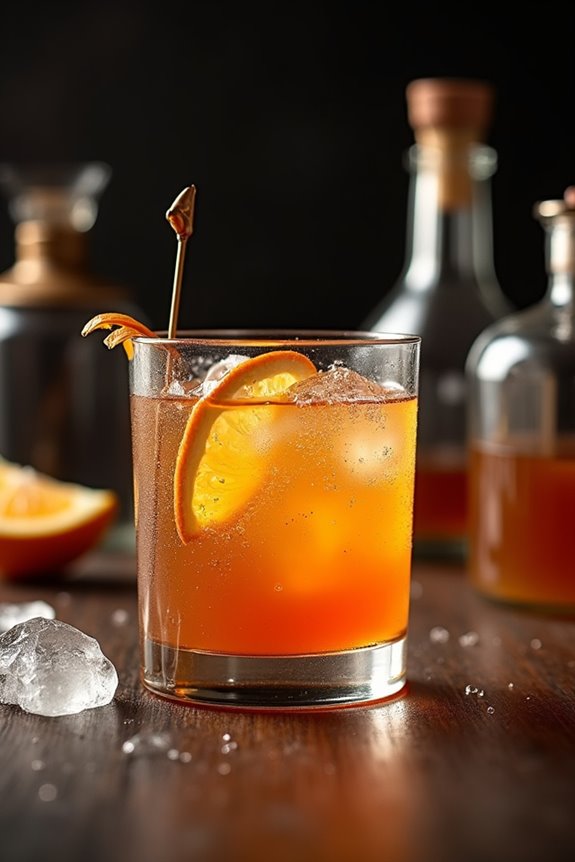
Where’d shrubs come from, and why should you care? You’re tapping into centuries of ingenuity when you make a shrub cocktail. Before refrigeration existed, people needed ways to preserve fruit and extend shelf life. They discovered that vinegar, sugar, and fruit combined created a stable syrup that lasted months. This preservation method became essential for households across generations.
| Era | Purpose | Key Ingredient |
|---|---|---|
| Pre-1900s | Food preservation | Vinegar base |
| Prohibition (1920s-1930s) | Cocktail revival | Spirit mixing |
| Modern day | Craft beverages | Quality vinegar |
During Prohibition, shrubs experienced a major comeback. People craved complex flavors in their drinks, and shrubs delivered exactly that. Today, you’re joining a community that values tradition and craftsmanship, appreciating how simple ingredients create something genuinely special.
How to Choose Your Shrub-Making Method
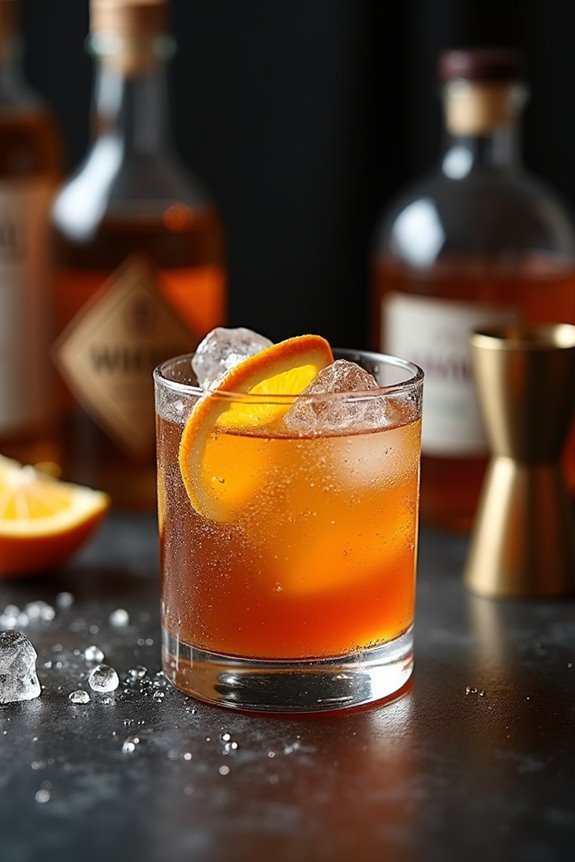
When you’re ready to make your first shrub, you’ve got two distinct paths: the hot process or the cold process.
The hot process works like this:
- Boil your fruit, sugar, and vinegar mixture together
- Let it cook until flavors fully merge
- Strain out solids immediately while hot
- Store your finished syrup for shrub cocktail recipes
The cold process takes patience instead of heat. You’ll infuse fruit, sugar, and vinegar at room temperature over several days. This method preserves delicate flavors and keeps living cultures intact, especially when using quality Apple Cider Vinegar with mother.
Choose hot processing for speed and convenience. Select cold processing when you want maximum flavor complexity and those beneficial cultures. Both methods use the classic 1:1:1 ratio, so your choice really depends on your timeline and desired depth in your final shrub cocktail recipes.
The Hot Vinegar Shrub Method
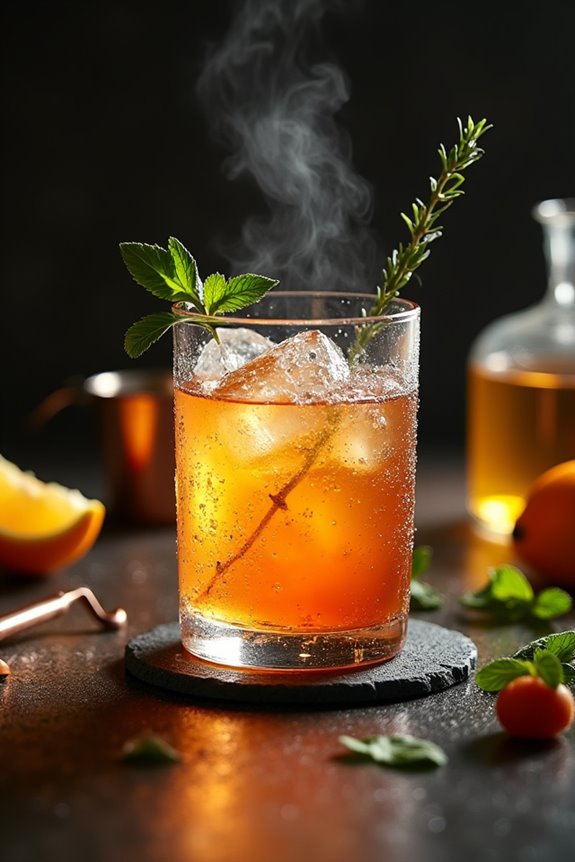
When you heat vinegar with fruit and sugar, you’re extracting maximum color and flavor through a boiling and cooling process that cold methods can’t match. Once you’ve cooled the mixture, you’ll strain out the solids, which separates the clarified liquid from the fruit pulp and allows you to work with a clean base. You then let this liquid sit for at least 24 hours before adding your final sugar, giving the flavors time to develop and meld into that signature candy-like strawberry note that makes hot vinegar shrubs stand out.
Boiling and Cooling Process
Ready to extract maximum flavor and color from your fruit? The boiling and cooling process is where shrubs truly transform.
Start by combining your vinegar, fruit, and sugar in a pot, then bring everything to a boil. This heat does the heavy lifting—it breaks down the fruit’s cell walls and pulls out vibrant color and deep flavor. Here’s what happens next:
- Boil the mixture until the fruit softens completely
- Remove from heat and let it cool to room temperature
- Strain out all solids through a fine mesh
- Refrigerate the liquid for 24 hours to develop complexity
The cooling period matters. As your shrub sits in the fridge, flavors meld and intensify, creating that signature candy-like strawberry note. You’re building a balanced, shelf-stable syrup that’ll elevate any cocktail.
Separating Solids From Liquid
After your shrub’s spent 24 hours developing flavor in the fridge, you’ll separate the solids from the liquid—and this step determines how clear and polished your final syrup becomes. This separation creates your shrub base, the foundation for smooth, cocktail-ready syrup.
Pour your mixture through a fine-mesh strainer into a clean bowl. The liquid passes through while strawberry solids remain behind. For extra clarity, line your strainer with cheesecloth and let gravity do the work—don’t press the fruit, which would cloud your syrup.
| Step | Action | Result | Time | Outcome |
|---|---|---|---|---|
| 1 | Strain mixture | Separates fruit | Immediate | Cloudy liquid |
| 2 | Use cheesecloth | Filters fine particles | 30 minutes | Clear base |
| 3 | Discard solids | Removes pulp | Quick | Clean separation |
| 4 | Collect liquid | Gathers shrub base | Minimal | Ready for sugar |
| 5 | Inspect clarity | Checks transparency | Visual | Quality check |
You’ve now achieved the clear liquid foundation needed for your final shrub.
Sugar Integration and Flavor Development
How you add sugar to your strained shrub base matters just as much as the vinegar-and-fruit combination you’ve built. After separation, you’ll stir sugar directly into your cooled liquid, creating the final balance between tartness and sweetness. This timing—adding sugar after straining—ensures even distribution and prevents crystallization. Your shrub develops flavor during the resting period that follows:
- Sugar dissolves fully into the vinegar base
- Strawberry notes intensify and mellow simultaneously
- Sharp vinegar edges round out gradually
- Overall balance stabilizes within 24-48 hours
The hot vinegar method’s strength lies here. Unlike cold methods, you’ll achieve a more stable flavor profile with clearer color retention. The sugar and vinegar bond creates a preserved syrup ready for cocktails, offering you consistent results batch after batch.
The Cold Extraction Shrub Method
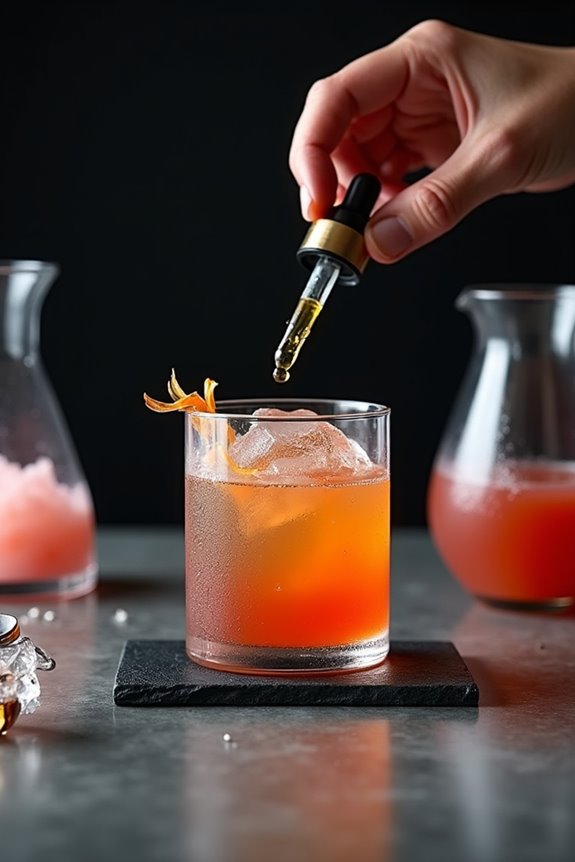
If you’re looking to preserve the bright, fresh taste of fruit in your shrub, the cold extraction method’s your best bet. You’ll batch your strawberries in sugar for 4 to 24 hours at room temperature, letting the sugar draw out natural juices without heat. This passive approach maintains the fruit’s vibrant character that boiling would diminish. Once you strain out the solids, you’ll add vinegar to the extracted liquid, creating a mellower base with pronounced fruit freshness. The standard ratio uses 1 cup vinegar, 1 cup sugar, and 1.25 cups sliced strawberries. You’ll find this shrub emphasizes fruit-forward notes over vinegar sharpness, though balsamic or alternative vinegars can recalibrate the balance to your preference.
The Quick Blender Method
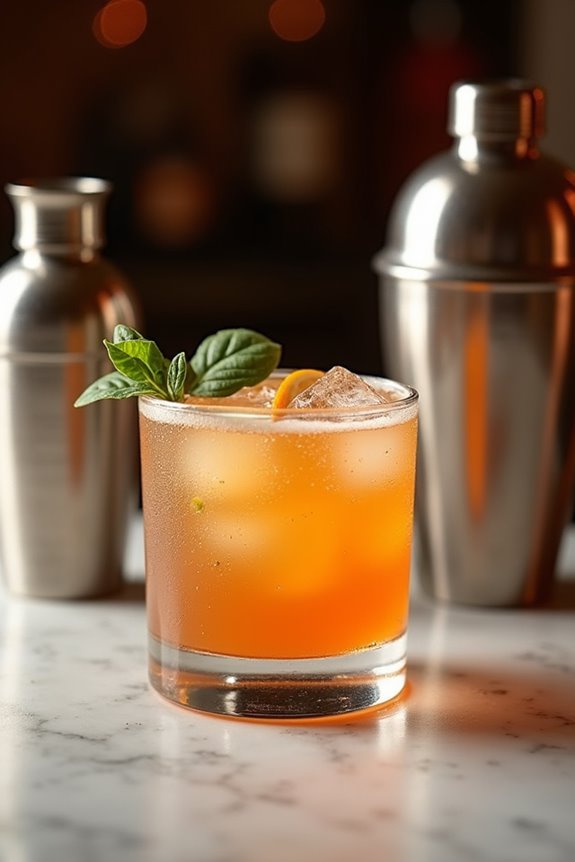
Want to skip the waiting game entirely? The blender method offers a shortcut, though it comes with trade-offs.
You’ll combine three equal parts—vinegar, sugar, and fruit—directly into a blender. Here’s what happens next:
- Blend ingredients until fully incorporated
- Pour the mixture into a container
- Let it sit for several days
- Strain and bottle your shrub
This approach creates a cloudier, thicker result than traditional cold extraction. The blending process rapidly breaks down fruit and distributes flavors throughout, but the acceleration comes at a cost. You’ll sacrifice some clarity and experience a different mouthfeel. The flavor balance tends toward imbalance compared to slower methods.
The blender method remains experimental among shrub enthusiasts. While it delivers faster results, most experienced makers prefer hot or cold extraction for superior clarity and balanced taste profiles.
Strawberry Shrub Recipe and Instructions
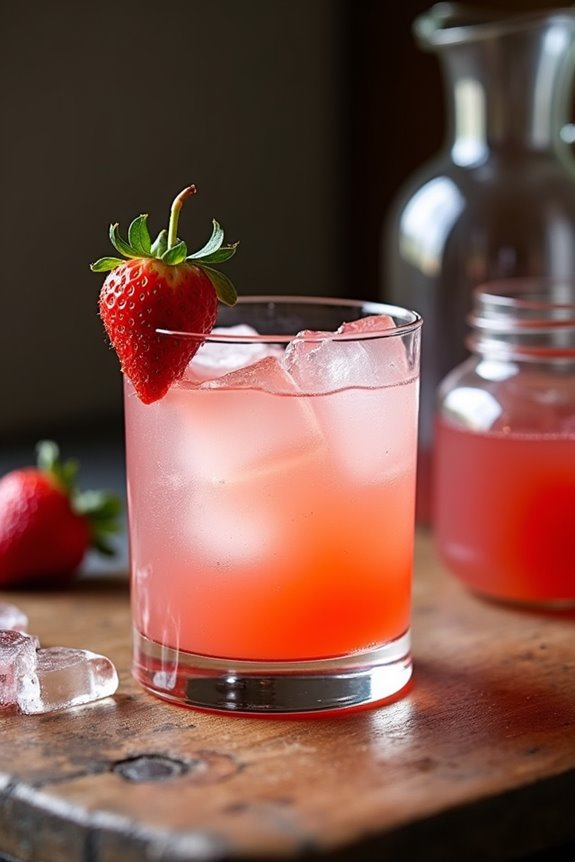
Now that you’ve seen how different extraction methods shape your shrub’s final character, it’s time to put one into practice. We recommend starting with the Hot Vinegar technique for superior color and that signature candy-like strawberry note.
Combine one cup of vinegar and 1.25 cups of sliced strawberries. Boil them together, then cool completely. Strain out the solids carefully—this separation matters for clarity. Let the liquid develop flavor for several days in your fridge.
Finally, add one cup of sugar and stir until dissolved. Your shrub is ready to use.
This base ratio yields about one cocktail. You’ll notice the Hot Vinegar method extracts color brilliantly compared to alternatives. The result: a balanced shrub with vibrant strawberry character that transforms any drink you make.
Three Cocktail Recipes Using Shrubs
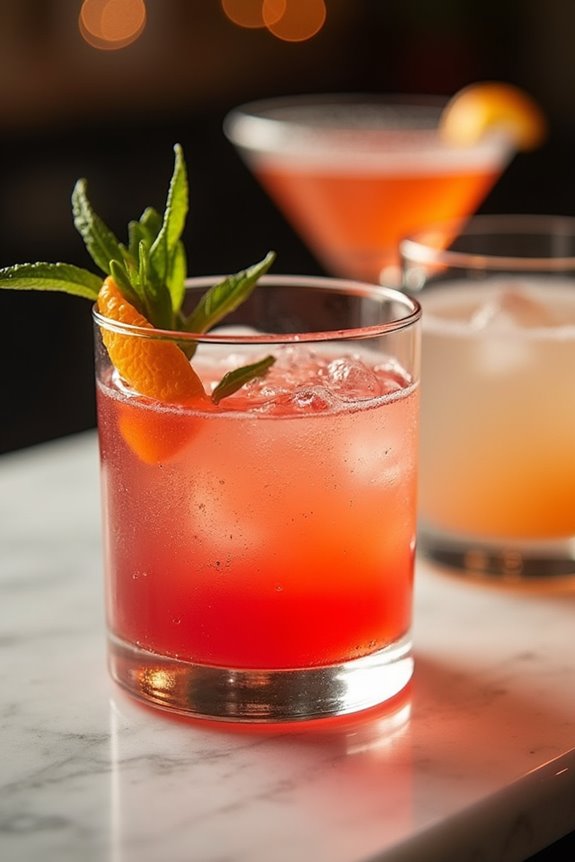
Now that you’ve mastered the shrub base, you can use it in three distinct cocktail styles, each bringing out different qualities of your strawberry creation. A classic gin and tonic variation pairs your shrub with botanical spirits, while tropical rum-based cocktails complement the fruit’s natural sweetness, and bourbon shrub combinations highlight deeper, oak-forward notes. Each approach transforms your shrub into a complete drink by balancing acidity, spirits, and mixers in ways that suit your flavor preferences.
Classic Gin & Tonic Variation
Why settle for a standard gin and tonic when you can transform it with a shrub?
This variation elevates your drink into something distinctly flavorful. You’re swapping traditional tonic for a shrub mixer, which creates a balanced, tart-candy strawberry profile that standard mixers can’t match. Here’s how to build your drink:
- Pour 1.5 ounces of gin into a glass filled with ice
- Add 0.75 ounces of Strawberry Shrub for concentrated flavor
- Top with 2 ounces of tonic water to maintain refreshment
- Stir gently and garnish with a strawberry slice
The vinegar in shrubs adds complexity that tonic water alone can’t provide. The strawberry notes become candy-like and bright, creating a sophisticated drink you’ll reach for repeatedly. This approach lets you join the community of cocktail enthusiasts who appreciate shrubs’ versatility and depth.
Tropical Rum-Based Cocktail
Tropical rum-based shrub cocktails bring together the warm spice of aged or light rum with the bright acidity of fruit-forward shrubs, creating drinks that feel both invigorating and complex. You’ll want to experiment with strawberry, blackberry, or pineapple shrubs to highlight fruity notes that complement your chosen rum.
The foundation uses a simple 1:1:1 ratio of vinegar, sugar, and fruit. You can employ either a hot-vinegar method for brighter color and stronger flavor, or a cold-extraction approach for gentler results. After preparing your shrub base, let it rest for several days before mixing with rum.
When you’re ready to build your drink, combine your rested shrub with rum and add soda water for balance. This technique transforms simple ingredients into sophisticated, layered cocktails you’ll serve with confidence.
Bourbon Shrub Combinations
While rum pairs beautifully with tropical fruit shrubs, bourbon offers a different kind of richness that you can employ in your home bar. Bourbon shrub recipes exploit the spirit’s oak, vanilla, and spice notes by combining them with fruit-forward shrubs. You’ll achieve balance using a straightforward 1:1:1 ratio of shrub, bourbon, and mixer.
Consider these appealing combinations:
- Apple shrub with bourbon and aromatic bitters
- Peach shrub with bourbon and sparkling water
- Berry shrub with bourbon and a splash of soda
- Cherry shrub with bourbon and complementary citrus garnish
Resting your mixture for several hours or days allows flavors to meld, deepening complexity. This infusing time transforms separate ingredients into a cohesive drink. You’ll notice how the shrub’s acidity brightens bourbon’s warmth, creating layers you can appreciate with each sip.
Non-Alcoholic Shrub Uses and Pairings
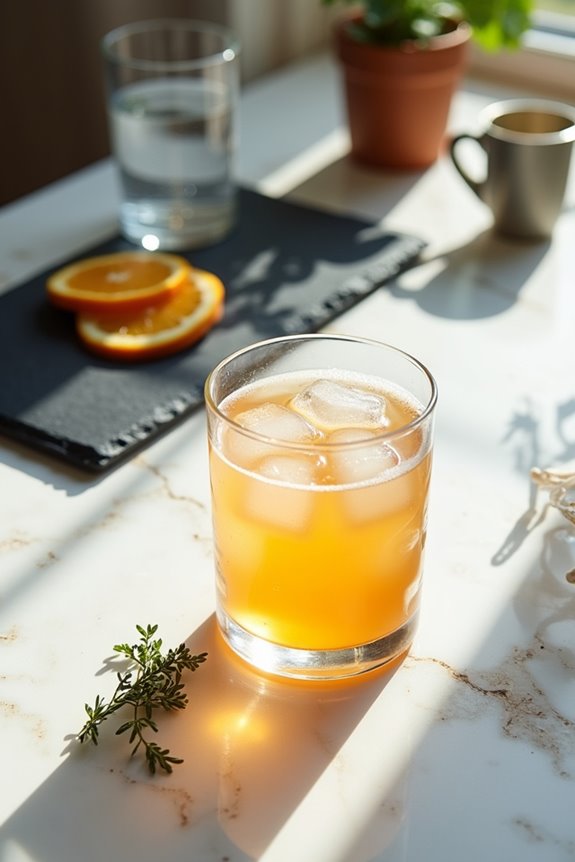
Beyond cocktails, shrub syrups shine in a variety of non-alcoholic applications that let you enjoy their distinctive vinegar tang and fruit flavor without spirits. You can dilute your shrub with sparkling water or still water to create invigorating standalone beverages. The acidity of a shrub makes it an excellent mixer for lemonades and iced teas, adding complexity to familiar drinks. You’ll also find shrubs work beautifully in culinary applications. Drizzle them over desserts, yogurt, or ice cream for unexpected flavor contrast. Mix shrubs into salad dressings to balance oils with bright acidity. The vinegar base preserves the syrup longer than sugar alone, giving you sustained access to seasonal fruit flavors throughout the year.
When Things Go Wrong: Common Shrub Mistakes and How to Fix Them
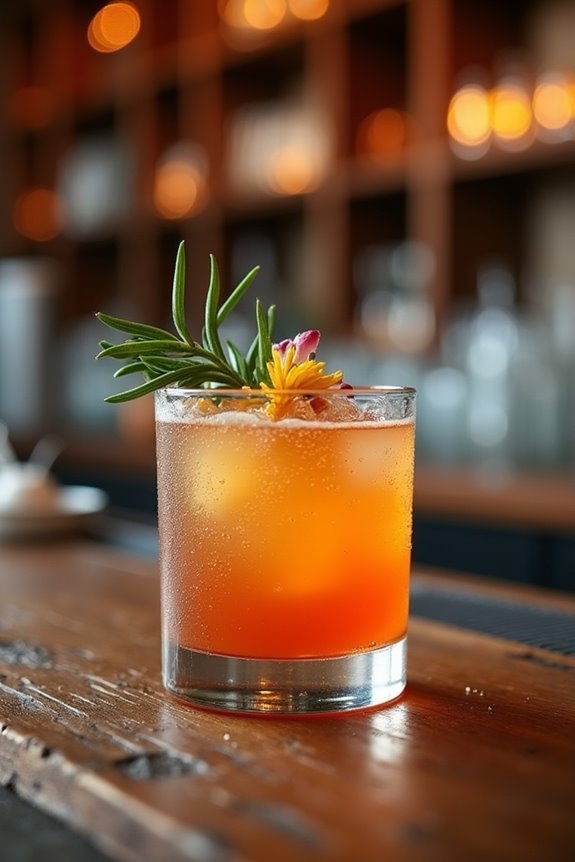
Making a shrub isn’t difficult, but it’s easy to end up with something that doesn’t taste right. Understanding common pitfalls helps you create shrubs you’ll actually enjoy.
Here are mistakes you’ll want to avoid:
- Using low-quality vinegar that tastes harsh or flat, overpowering your fruit’s natural flavor
- Adding too much sugar, which masks acidity and creates an overly sweet syrup
- Skipping the straining step, leaving pulp that breaks down and clouds your shrub
- Rushing the process without adequate resting time, trapping underdeveloped flavors
Fix these issues by investing in quality vinegar with the mother, measuring your sugar carefully, filtering thoroughly, and giving your shrubs proper aging time. Cold extraction particularly needs patience—typically two to three weeks. These adjustments transform mediocre shrubs into balanced, flavorful syrups that elevate both cocktails and mocktails.
Stock Your Shrub Toolkit: Essential Ingredients and Equipment
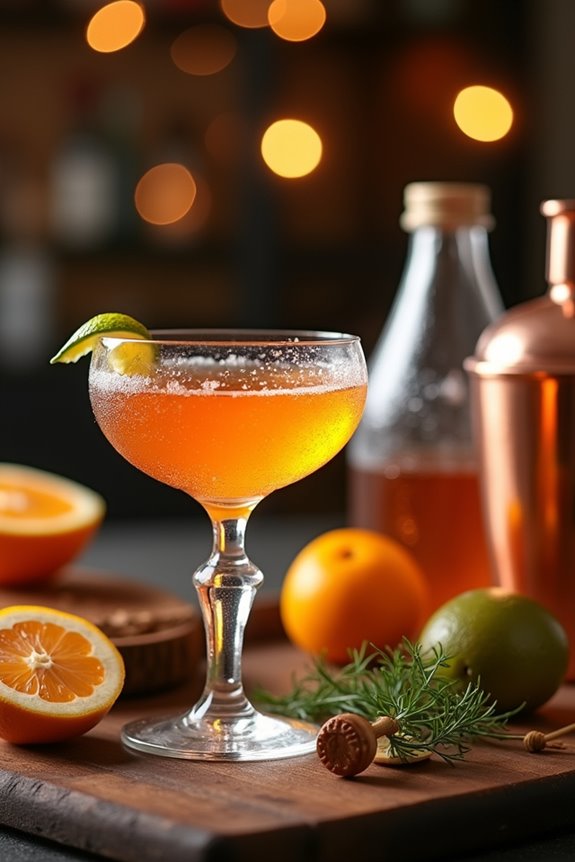
What do you need to make a quality shrub? You’ll gather basic ingredients: fresh fruit, vinegar, and sugar. These three components form the foundation of every shrub you’ll create. Beyond ingredients, you’ll want essential equipment that streamlines your process.
Start with a clean glass jar for maceration and storage. You’ll also need fine mesh strainers to separate solids from liquid, cheesecloth for filtering, and measuring cups for precision. A wooden spoon helps you stir and mash fruit effectively during extraction.
Quality vinegars matter significantly. Choose apple cider or white vinegar based on your flavor goals. You’ll notice how vinegar selection shapes your shrub’s final taste profile.
Stock bottles with tight-sealing lids for aging and preservation. These containers protect your finished shrubs while allowing flavors to develop over time.