
A buckle dessert is a fruit-filled cake with a thick, cookie-dough-like batter where you press fresh or frozen fruit directly into the batter before baking. As it bakes, the fruit sinks and the batter rises around it, creating that signature buckled, cratered top. To make one, you’ll mix basic cake ingredients, press the batter into a pan, distribute fruit evenly, add a crumble topping, then bake at 350°F for about 30 minutes until the center sets. The real magic happens when you understand how fruit weight and batter interaction create those distinctive ridges and valleys.
What Is a Buckle Dessert?
Ever wondered what sets a buckle apart from a cobbler or crisp? A buckle is a fruit-based dessert with a cake-like foundation that combines simplicity with rustic appeal. You start with a thick, cookie dough-like batter pressed into a pan, then press fresh or frozen fruit directly into that base. The fruit sinks partially into the batter as it bakes, creating pockets of flavor throughout.
Unlike cobblers or crisps, buckles are distinctly cake-like in texture and structure. You can top them with a crumb topping or streusel, though many buckle recipes skip this step entirely. Common fruits include apples, peaches, blueberries, strawberries, raspberries, plums, and cherries. The result? A rustic dessert that collapses slightly around the fruit, ready to serve warm with ice cream or whipped cream.
How Buckles Differ From Crisps, Cobblers, and Crumbles
What makes a buckle fundamentally different from its dessert cousins? You’ll discover the distinction lies in how the fruit and topping interact with the cake batter itself.
Here’s what sets buckles apart:
- Crisps use a flour- or oats-based topping layered over fruit, creating a crispy texture on top
- Cobblers feature a batter-like topping that produces a syrupy, moist result when baked together
- Crumbles top fruit with a flour-sugar-butter mixture, offering crumbly texture without oats
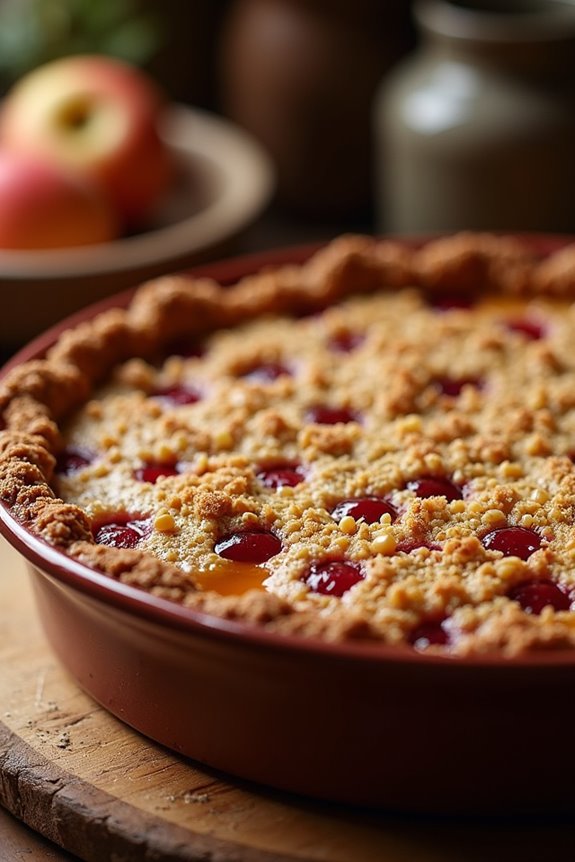
Unlike these desserts, buckles embed fruit directly within a thick cake batter. As the dessert bakes, the batter buckles or collapses slightly around the fruit, creating that characteristic rustic appearance. Your topping—whether streusel or crumbly—sits atop the batter before baking. This structure means you’re serving a cake-like dessert, not a layered or topped fruit dish. The fruit becomes truly integrated into the final product.
The History of Buckles
Understanding what makes a buckle unique brings us to its origins, which are surprisingly recent in the long timeline of American desserts. You’ll find that buckles emerged during the mid-20th century, gaining real traction in the 1960s as bakers sought a distinct cake-like berry dessert. The name itself reflects the dessert’s defining characteristic—the way batter sinks around fruit during baking, creating that characteristic buckled appearance.
| Decade | Development |
|---|---|
| 1950s | Concept emerges |
| 1960s | Popularity rises significantly |
| 1970s | Becomes established classic |
| 1980s | Regional variations develop |
| 2000s | Modern revival begins |
This dessert represents your connection to straightforward American baking traditions. The streusel topping became standard, offering both texture and visual appeal that made buckles impressive to reveal at the table.
Picking Fruit for Your Buckle: Fresh, Frozen, or Mixed
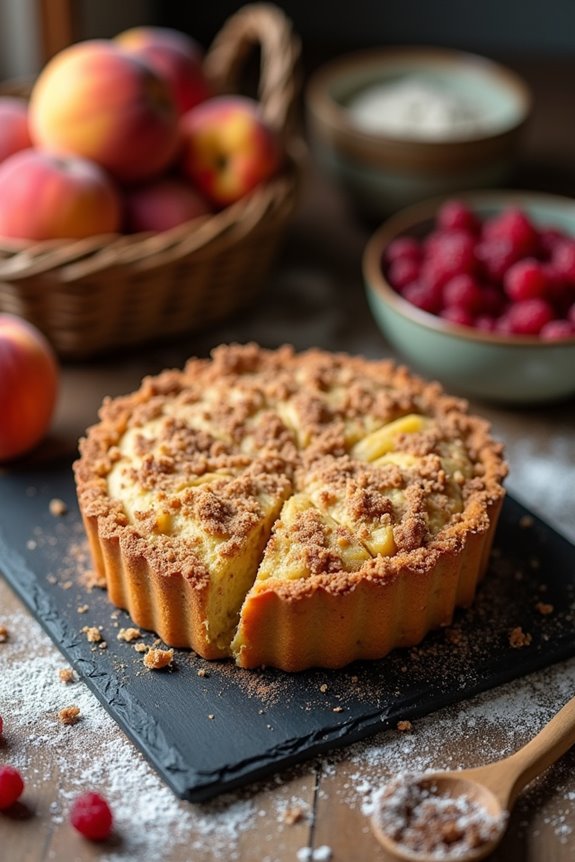
When you’re selecting fruit for your buckle, you’ve got flexibility in choosing fresh, frozen, or a combination of both. Frozen berries work beautifully without thawing before baking, making them convenient year-round. You’ll want enough fruit to fill your baking dish completely.
Consider these popular pairings:
- Blueberry with peach or raspberry
- Strawberry with rhubarb
- Pear with blackberry
Mixed-berry combinations create wonderful complexity. Rhubarb works as either an alternative or addition to other fruits—simply cut it into ½-inch pieces. For extra depth, you can swirl prepared compote or jam into your fruit layer, though this step remains optional. The choice between fresh and frozen depends on your availability and preference, not the final quality of your buckle.
What Ingredients You’ll Need
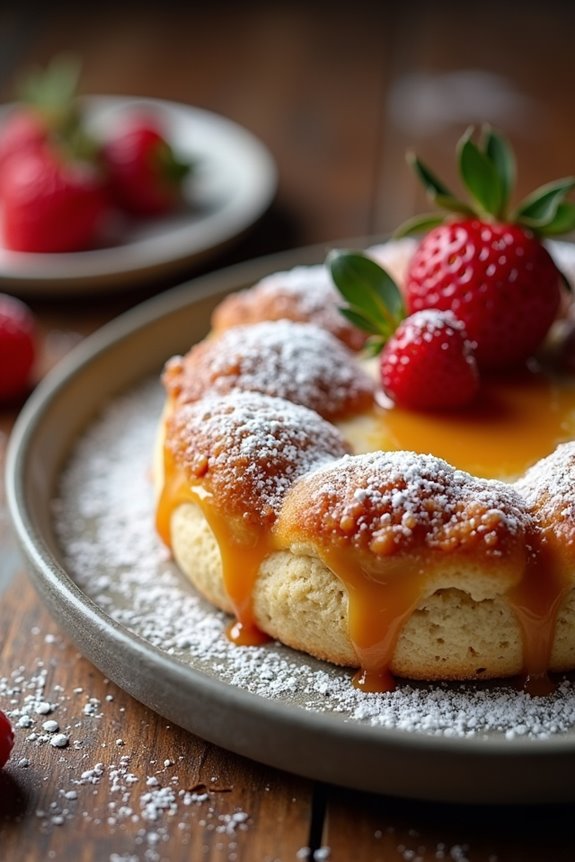
You’ll need dry ingredients like flour, sugar, baking powder, and salt to build your batter’s structure, while wet ingredients such as butter, eggs, and milk create the thick, cookie-dough consistency that forms your base. The fruit you’ve selected—whether fresh, frozen, or a combination—will sink into this batter during baking and become surrounded by the crumb topping. Additionally, you’ll want streusel or crumb mixture ingredients (typically flour, brown sugar, butter, and sometimes nuts) to crown your buckle before it goes into the oven.
Dry Ingredients for Batter
The dry ingredients form the structural foundation of your buckle’s batter, and they’re straightforward to gather. You’ll need just a few essential components that work together to create the right texture and rise. These ingredients balance each other, creating a crumb structure that supports your fruit without becoming dense or heavy.
Here’s what you’ll combine:
- All-purpose flour – use a moderate amount as your base; it provides structure and helps bind ingredients together
- Baking powder – this leavener creates lift during baking, giving your buckle its characteristic tender crumb
- Baking soda – this works alongside baking powder to enhance rise and browning
Mix these dry ingredients together before folding them into your wet mixture. This approach prevents overmixing, which could toughen your batter and compromise the final texture.
Wet Ingredients and Fruit
What transforms your dry mixture into a cohesive batter? Wet ingredients do. You’ll need butter, sugar, eggs, and dairy like buttermilk or milk. These components combine to create a thick consistency, similar to cookie dough. The butter provides richness and helps bind everything together, while eggs add structure and lift.
Next comes your fruit selection. Fresh or frozen blueberries, peaches, strawberries, raspberries, plums, apples, cherries, and rhubarb all work beautifully. You can use single fruits or mix several varieties for complexity. Simply press your prepared fruit directly into the batter before baking.
For extra flavor depth, consider swirling prepared compote or jam throughout the batter or placing it atop your fruit layer. This addition intensifies the fruit profile and creates pockets of concentrated sweetness throughout your finished buckle.
How to Make a Buckle
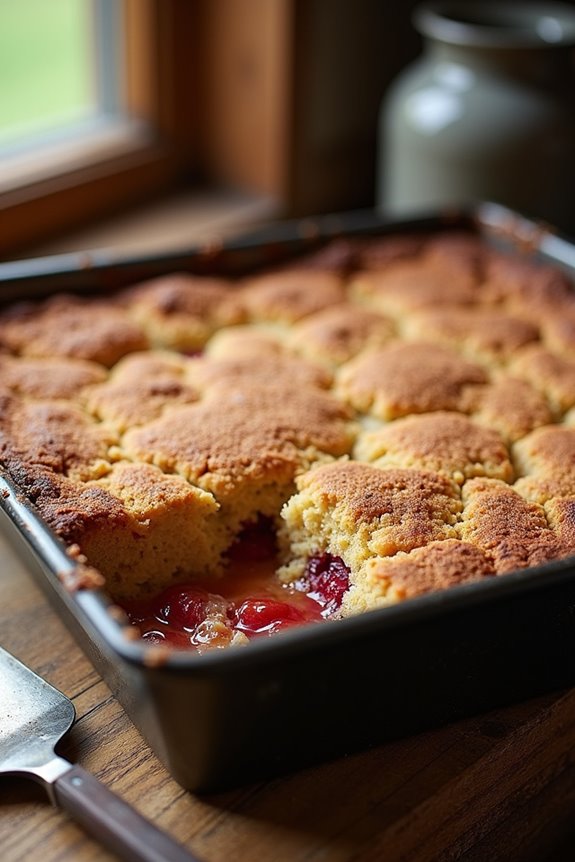
Making a buckle starts with preparing a thick, cookie-dough-like batter that’ll serve as your dessert’s foundation. You’ll mix your dry and wet ingredients together, creating a consistency that’s slightly wetter than typical dough but still sturdy enough to hold fruit.
Next, you’ll press this batter into your chosen pan:
- Press firmly into a tart pan, cast iron skillet, or springform pan to create an even base layer
- Arrange your fruit by pressing berries, peaches, or strawberries directly into the batter surface
- Add optional toppings like crumb mixture or jam swirls for extra flavor and texture
Once your fruit settles into the batter, you bake the buckle until golden. The batter rises around the fruit, creating that signature cake-like texture that defines this dessert.
Which Pan Works Best?
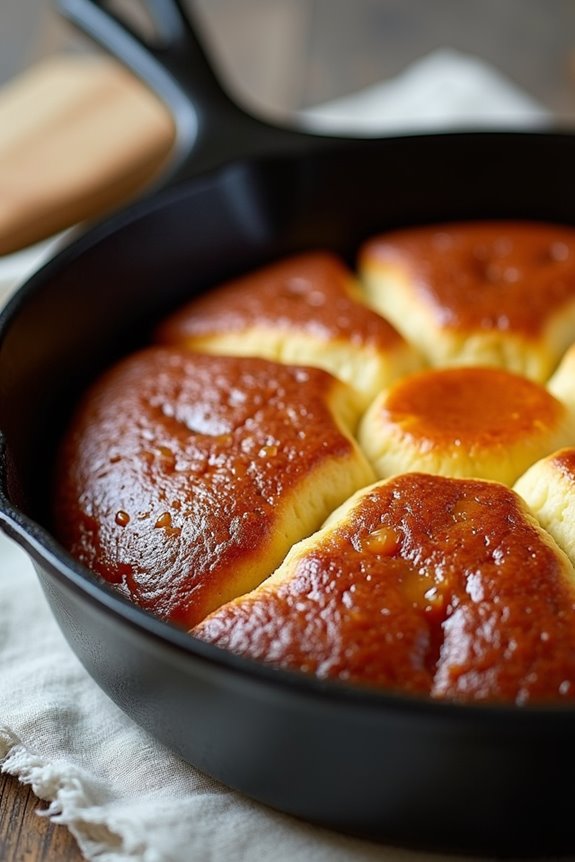
Choosing your pan affects how your buckle bakes and how it’ll look when you serve it. A tart or cake-like bake pan with fluted edges gives you professional-looking results, but you’ve got flexibility here. Cast iron and springform pans work equally well if that’s what you have on hand.
Standard buckles fit best in 8×8-inch square pans or round 8- to 9-inch pans. This sizing matters because it ensures even baking and keeps your fruit visible through the topping layer. The right pan size prevents your batter from spreading too thin or bunching up unevenly.
Since buckles involve pressing thick batter into your pan first, then embedding fruit into it, your pan choice directly influences how smoothly that process goes. Proper pan selection sets you up for success from start to finish.
Why Your Buckle Gets That Signature Buckled Top
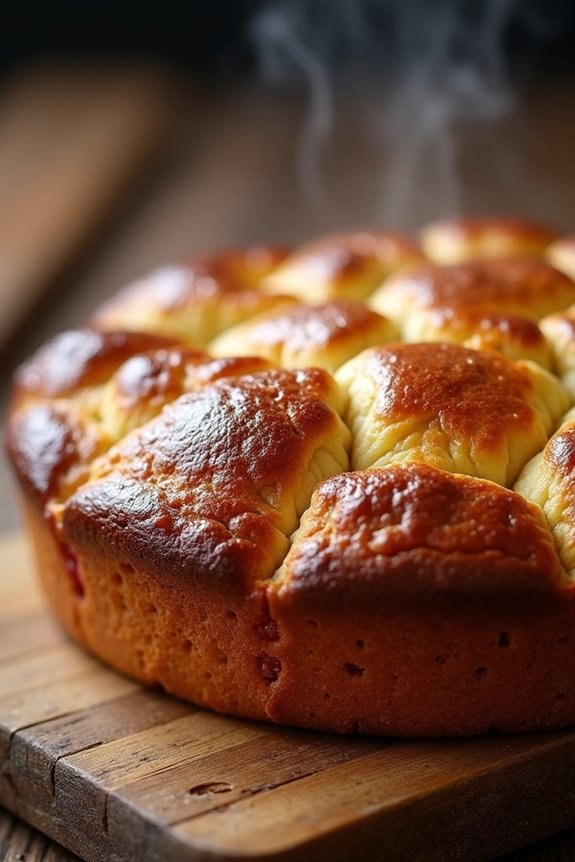
When you press fruit into your thick, dough-like batter, the fruit’s weight creates downward pressure that causes the batter to sink and collapse slightly around each piece. As your buckle bakes, the batter rises back up around the fruit, creating those characteristic peaks and valleys that give the dessert its signature buckled appearance. The crumb topping that bakes over everything reinforces this effect, settling into the ridges and valleys to complete that distinctive textured surface you’re after.
Fruit Weight Causes Collapse
Why does your buckle develop that distinctive cracked, uneven top? The answer lies in fruit weight and how it affects your batter during baking.
As your buckle bakes, heavy fruit weighs down the batter, causing the top to crack and rise unevenly. This creates that signature buckled appearance you’re after. However, you can manage this effect:
- Drain excess juices from your fruit before adding it to reduce moisture and prevent collapse
- Distribute fruit evenly throughout the batter to avoid concentrated weight that causes sagging in the center
- Use a thick, cake-like batter that’s sturdy enough to support the fruit without becoming too wet
When your batter is too wet, the top sinks or buckles more prominently. Gentle pressing of fruit into the batter also reduces the stress points that lead to collapse.
Batter Rising Around Fruit
as your batter bakes, it rises and expands around the fruit you’ve pressed into it. The batter rising pushes upward, but the fruit weighs it down in certain spots. This creates those characteristic ridges and mottled patterns you see on a finished buckle.
As heat hits the cake-like batter, it sets from the bottom up. The fruit stays relatively stationary while the surrounding batter puffs around it. You’ll notice the batter pulls away slightly from the edges of each piece. This uneven rising is what gives your buckle its signature textured surface, especially if you’ve added a crumble topping that crisps around those peaks and valleys.
Characteristic Buckled Appearance Result
After your buckle finishes baking, you’ll notice its most distinctive feature: that uneven, cratered top surface that gives the dessert its name. This buckled appearance results from a specific interaction between fruit and batter during baking.
Here’s what creates that signature look:
- Fruit settles downward as the heavier pieces sink into the cake batter, creating visible depressions
- Surrounding batter rises and falls around the fruit, forming ridges and dips as it bakes and then slightly recedes
- Batter thickness matters because it’s substantial enough to hold fruit in place, yet flexible enough to move with the settling process
The buckled appearance intensifies based on your fruit choices. Denser fruits create more pronounced craters, while varied fruit placement accentuates the ridges. This textured, uneven top distinguishes buckles from flat-topped cakes, making them visually unmistakable once baked.
How Long to Bake and at What Temperature
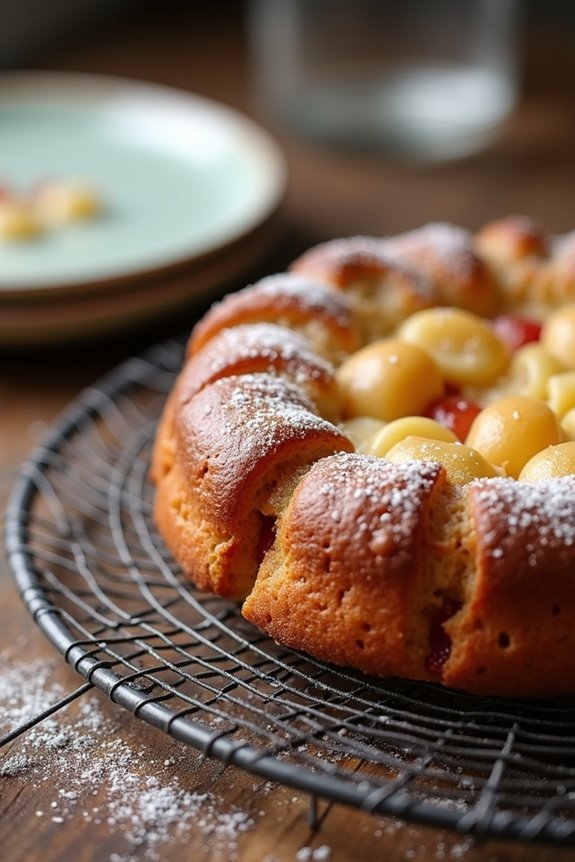
Getting the temperature and timing right makes the difference between a perfectly cooked buckle and one that’s either undercooked in the middle or overdone on top. Bake your buckle at 350–375°F, a moderate temperature that sets the cake batter without over-browning the streusel topping. Most buckles need 25–45 minutes, though 30 minutes at 350°F often works well for standard recipes.
Your pan size affects baking time significantly. Smaller 8×8 or 8–9 inch round pans bake faster, landing toward the shorter end of that range. Larger or deeper pans require additional time to cook through completely.
Test doneness by inserting a toothpick in the center—it shouldn’t come out wet. You’ll also notice the center sets while the top feels lightly springy. If using frozen fruit, skip thawing but monitor carefully, as you may need temperature adjustments.
Serving Suggestions and Topping Ideas
When your buckle comes out of the oven, you’ve got plenty of ways to make it even better. The warm dessert pairs beautifully with classic toppings that complement the fruit and streusel topping you’ve already baked in.
Consider these serving options:
- Top your cooled buckle with a generous dollop of whipped cream, which softens slightly against the warm cake and berries
- Add a scoop of vanilla ice cream, letting it melt into the cake’s crevices and create a creamy contrast to the crunchy streusel
- Garnish with fresh mint sprigs for visual appeal and aromatic freshness
You can serve your buckle warm or at room temperature, depending on your preference. The dessert stays fresh for several days when stored on the counter, making it convenient for serving throughout the week.
How to Store Your Buckle (Fresh or Frozen)
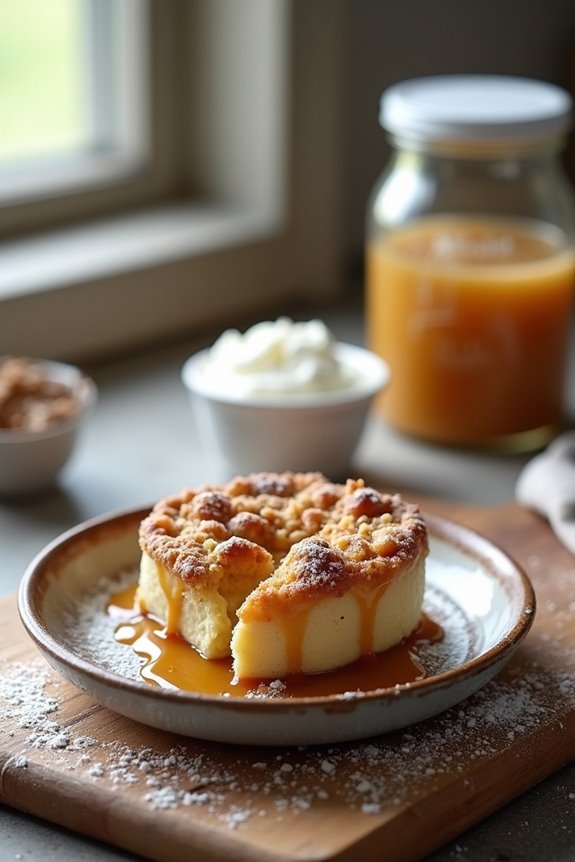
Your buckle’s delicious quality doesn’t end when you finish serving it. You can keep it on the counter for about a day, but refrigeration extends freshness for several days. Store your buckle strategically by keeping exposed fruit areas visible—this preserves appearance and prevents sogginess.
For longer storage, you’ll want to freeze your buckle. It’ll stay fresh in the freezer for up to two months, making it perfect for make-ahead preparation. When you’re ready to enjoy your frozen buckle, thaw it at room temperature or warm it gently. This restores the texture you created during baking.
Smart storage means you’re never far from a delicious slice. You’ve invested time in baking, so extend that enjoyment through proper preservation techniques.