
Three factors shape your tres leches cake’s price. First, ingredient costs—evaporated milk, condensed milk, whole milk, fresh fruit, and whipped cream—form your largest expenses, with seasonal fruit availability shifting prices. Second, labor time matters substantially; preparation typically runs 1.5–2 hours per batch when you account for mixing, soaking, assembling, and frosting. Third, your local market determines what customers will actually pay, so survey competing bakeries and their serving sizes. Understanding each factor reveals where your pricing strategy should land.
Ingredient Costs: Milk, Fruit, and What You’re Actually Spending

Why does a tres leches cake cost more than a standard layer cake? The answer lies in your ingredient list. You’re using three types of milk—evaporated, condensed, and whole—which immediately drives up your per-batch cost compared to a basic sponge cake with cream.
Then you add fruit. Strawberries, kiwi, or peaches introduce variable costs that shift with seasons and availability. Your whipped cream topping adds another layer of expense. Together, milk and fruit form the major portion of your material costs.
When you track these per-batch expenses carefully, you understand your true pricing strategy. A larger fruit portion or premium milk brand changes your numbers significantly. This transparency lets you justify price increases when ingredient costs rise, helping customers understand what they’re actually paying for.
Your Time and Labor: Why Preparation Takes Longer Than Baking
You’ve now seen how ingredients shape your costs, but there’s another expense that often gets overlooked: your own time. Your labor represents real money that you need to recover through pricing.
Your time is an ingredient too—and it’s one you must price into every cake you bake.
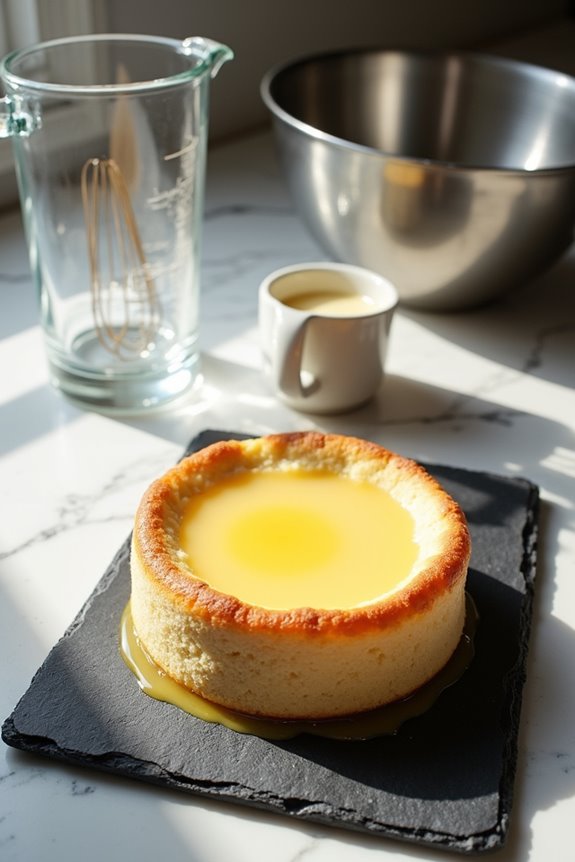
Preparation for tres leches extends far beyond the actual baking. You’re planning, measuring, mixing, soaking the cake layers, assembling fillings, and frosting/finishing with whipped cream and fruit. These tasks demand 1.5–2 hours per batch—sometimes more with custom requests.
Track your labor hours consistently. Document everything: prep work, passive waiting periods like chilling, and final frosting application. This data reveals your true hourly rate and justifies higher pricing.
As you gain efficiency or add complexity, your documented hours shift. That record becomes essential for adjusting prices fairly and ensuring your effort gets properly compensated.
What Your Market Will Pay: Research Before You Price
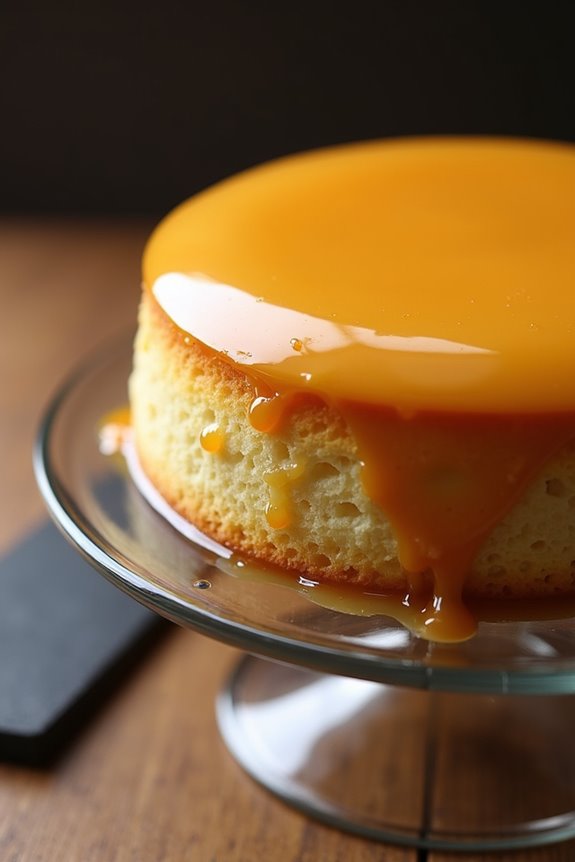
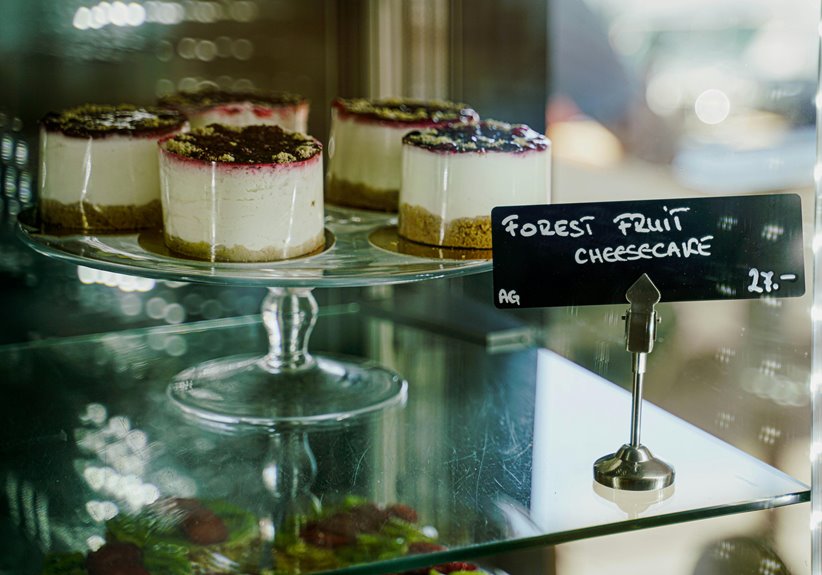
Once you’ve calculated your costs and labor, the final piece of your pricing puzzle is discovering what customers in your area actually will pay. Start by surveying local competitors and checking their tres leches price points. Visit bakeries similar to yours, note their serving sizes, and observe what they charge for different offerings. Larger cakes serving 24+ people command higher prices because they require more ingredients and time. Research how customization impact affects willingness to pay—customers often accept premium pricing for fresh fruit fillings or whipped cream toppings. Document competitors pricing alongside their quality levels. Then compare these market rates against your actual costs. This competitors pricing research prevents underpricing while keeping you competitive within your market research findings.