

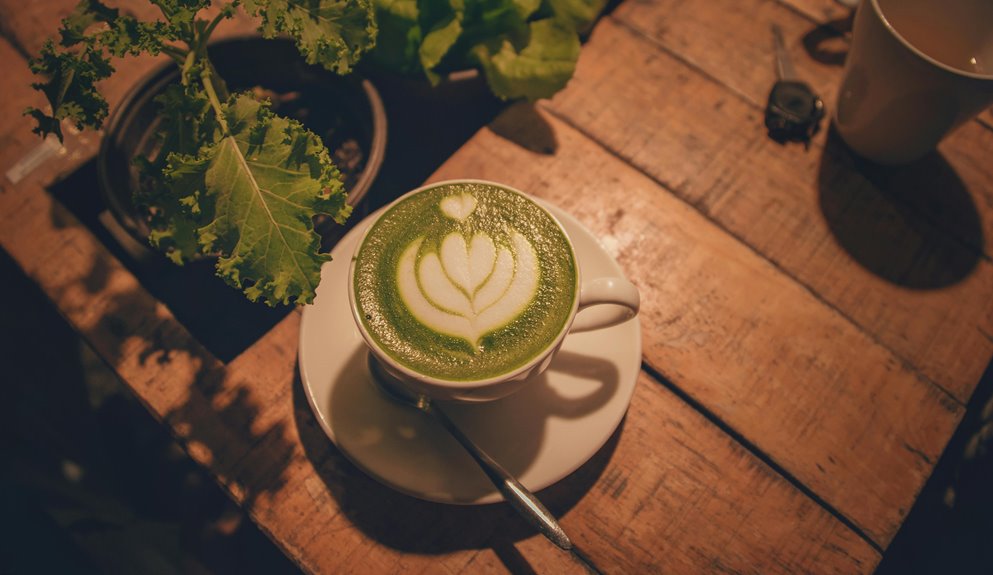
Matcha doesn’t expire like traditional foods, but its quality declines noticeably through oxidation. You’ll notice staleness when your matcha shifts from bright green to dull yellow-green, loses its grassy aroma, and tastes bitter or flat. Unopened matcha stays fresh 6–12 months in cool, dark, airtight containers, while opened powder peaks within 30–60 days. Light, heat, and moisture accelerate this deterioration. Check color, smell, and taste together to assess freshness. Understanding storage conditions and degradation patterns helps you maximize your matcha’s lifespan.
Does Matcha Actually Expire?
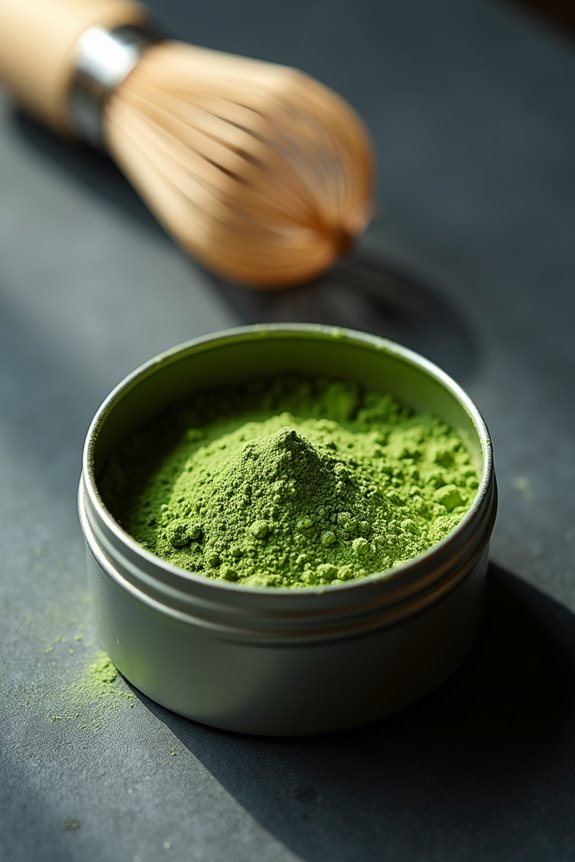
How long does matcha really last before it goes bad? Technically, matcha doesn’t expire like other foods, but it does lose quality over time. You’ll notice aroma and flavor deterioration as weeks pass, which signals declining potency. The key difference lies in unopened vs opened matcha. Unopened containers last considerably longer when stored properly in cool, dark, airtight spaces. Once you’ve opened your matcha, consume it within a few weeks for optimal taste and effectiveness. Storage conditions matter tremendously. Light, heat, moisture, and odors accelerate deterioration, potentially reducing shelf life from months to just weeks. Well-maintained matcha may remain usable for several months, while poorly stored powder degrades quickly. Your matcha expiration timeline depends entirely on how carefully you protect it from environmental damage.
How Long Does Matcha Last: Unopened vs. Opened?
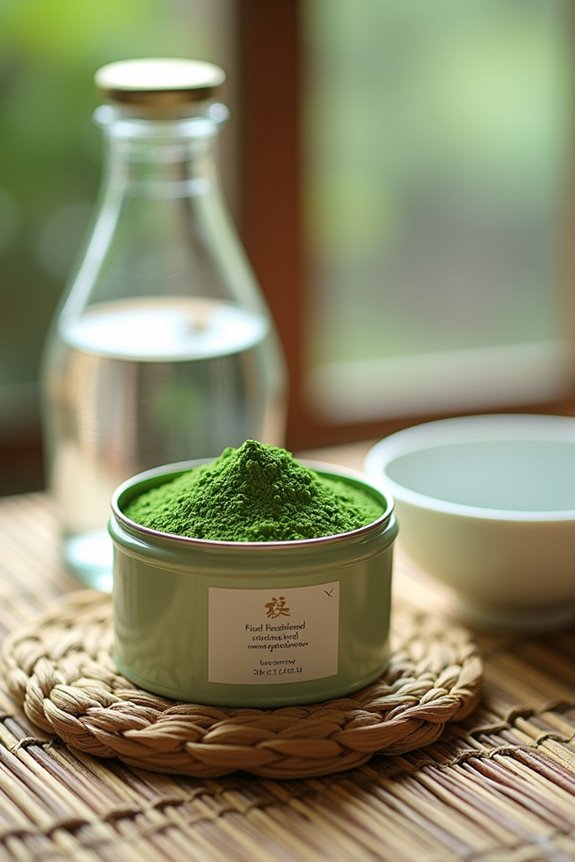
Unopened matcha stays vibrant and flavorful for 6–12 months when you keep it cool, dark, and airtight, giving you a solid window to use it before quality fades. Once you crack open the container, you’ve got a much tighter timeline—aim to use it within 30–60 days for the best taste and health benefits, though proper storage can extend its usable life to around 12 months. The difference comes down to oxidation: unopened matcha stays sealed away from air and light, while opened powder gradually loses its fresh qualities no matter how carefully you store it.
Unopened Storage Duration
Just how long your sealed matcha stays fresh depends almost entirely on where you keep it. When stored properly in an airtight container within cool, dark conditions, unopened matcha can maintain peak quality for 6–12 months or longer. The key is minimizing oxidation, which gradually dulls color, aroma, and flavor even when the package remains sealed.
Light exposure and moisture are your matcha’s biggest enemies during storage. These factors accelerate degradation faster than time alone. That’s why opaque, airtight containers matter so much—they create a protective barrier against environmental damage.
Most brands print best-by dates up to one year after processing. However, freshness actually declines before that deadline arrives. Following unopened storage duration guidelines ensures you’re drinking matcha at its finest quality, not just within an acceptable window.
Opened Powder Timeline
Once you break the seal on your matcha tin, the clock starts ticking faster than before. Your opened powder stays fresh for 30–60 days at peak quality, though proper storage can extend this to 90 days. The key is protecting it from moisture, light, and heat.
You’ll notice shelf life decline through visible signs. The bright green color gradually fades to dull olive or yellow-green, signaling oxidation. Alongside this color change, the flavor becomes increasingly bitter and loses its vibrant complexity.
Store opened matcha in a dark, airtight container in your refrigerator—never the freezer, which causes condensation damage. Only open one tin at a time to minimize exposure of your remaining stock. This approach preserves freshness across your entire matcha collection.
How Oxidation, Light, and Heat Degrade Matcha
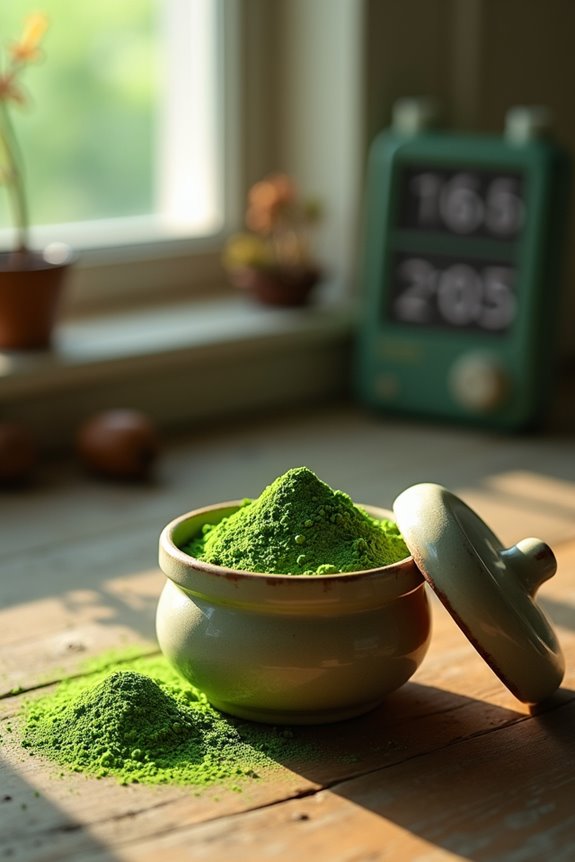
What turns your vibrant matcha powder dull and bitter? Three culprits work together to degrade your tea: oxidation, light exposure, and heat.
Oxidation happens when your matcha contacts air. The powder’s bright green color shifts to olive, and fresh flavors flatten into bitterness. Light exposure accelerates this damage by photodegrading chlorophyll and catechins—the compounds that make matcha vibrant and healthy. Heat speeds up degradation further, breaking down beneficial compounds faster.
Matcha’s powder form makes it especially vulnerable. Unlike whole leaf teas, the large surface area increases oxidation risk dramatically. Oxygen and moisture together create clumping, mold, and rapid flavor loss.
You can combat all three threats with airtight storage in opaque containers kept away from heat and light. This simple approach preserves your matcha’s quality and extends its freshness significantly.
How to Spot Stale Matcha: Color, Smell, and Taste
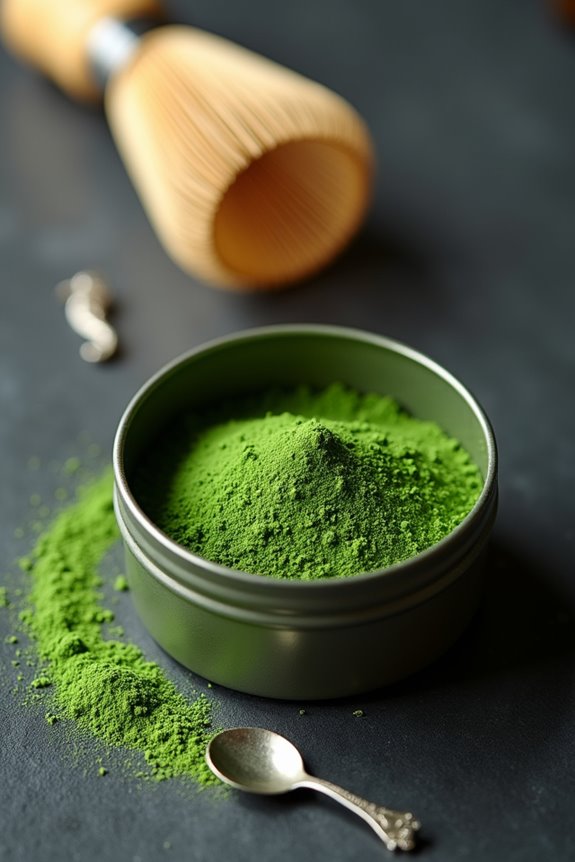
How can you tell if your matcha’s still good? Look at its color first. Fresh matcha displays a bright green hue, while oxidation causes it to fade toward dull olive or yellow-green tones. This color shift signals lost quality and reduced freshness.
Fresh matcha displays a bright green hue, while oxidation causes it to fade toward dull olive or yellow-green tones.
Next, trust your nose. A grassy, sweet aroma indicates quality matcha, but an off or musty smell reveals deterioration. Your sense of smell catches oxidation before other signs appear.
Finally, taste matters. Fresh matcha delivers balanced, nuanced flavor. Stale matcha tastes bitter, flat, or dull because oxidation breaks down its delicate compounds. You’ll notice the difference immediately.
When you examine color, smell, and taste together, you’ll confidently identify whether your matcha remains fresh or has expired.
Why Airtight, Cool, Dark Storage Is Non-Negotiable
Now that you know how to spot stale matcha, understanding how to prevent it from going bad in the first place becomes your best defense. Proper storage directly determines how long your matcha stays fresh and potent.
You’ll want to focus on three critical storage elements:
- Airtight containers block oxygen exposure, which stops oxidation that dulls color and creates bitter flavors over time.
- Cool temperatures slow heat-related degradation of catechins and chlorophyll, preserving both taste and health benefits you’re seeking.
- Dark storage prevents photodegradation that fades vibrant green and reduces potency, while also minimizing humidity and odor absorption.
Avoid clear containers and frequent door openings. These habits compromise the stable, low-oxygen, low-light environment your matcha needs for extended shelf life. You’re essentially creating a protective bubble around your investment.
The Best Way to Store Matcha for Maximum Freshness
Your matcha’s shelf life depends almost entirely on how you store it. An airtight container protects your matcha from light, moisture, and oxygen, which degrade quality quickly. Keep it in a cool and dark place—your pantry or refrigerator works well, though refrigeration extends freshness substantially.
The distinction between opened vs unopened matcha matters. Unopened tins last longer, but once you open one, consume it within two to three months for optimal flavor. Proper refrigeration can stretch usability to six to twelve months.
Minimize air exposure by opening only one tin at a time and resealing immediately after use. Avoid clear containers and areas near heat or humidity. Strong odors also compromise aroma, so store matcha away from spices or fragrances. These practices preserve the vibrant color and delicate taste you’re seeking.
Is Expired Matcha Still Safe to Drink?
You can safely drink expired matcha in most cases, though you’ll notice its quality and nutritional punch have diminished over time. The real concern is mold—if you spot fuzzy growth or detect a musty smell, you’ll want to discard it entirely, but non-moldy powder that’s past its prime simply tastes stale and bitter with reduced health benefits rather than posing a safety risk. As matcha sits, oxidation breaks down its powerful antioxidants and chlorophyll, so while that year-old powder won’t hurt you, it won’t deliver the same wellness boost you’d get from fresh matcha.
Safety Assessment for Expired
Is expired matcha actually dangerous to drink? The short answer is no, unless mold’s present. Here’s what you need to know about safety and expiry:
- Mold is your main concern—discard any powder showing fuzzy growth or spots, as it poses genuine health risks from contaminated storage conditions.
- Non-moldy expired matcha is safe—oxidation and flavor decline occur naturally, but the powder won’t make you sick, just taste stale and bitter with diminished health benefits.
- Proper storage prevents problems—keeping matcha in cool, dry, airtight containers away from light and moisture significantly extends its usable life to 12 months.
The real issue isn’t safety; it’s quality. Your expired matcha remains drinkable, though its potency weakens over time. Use older powder in lattes or baking rather than discarding it unnecessarily.
Nutritional Value Degradation Over Time
While expired matcha won’t make you sick, its nutritional punch weakens noticeably over time. Oxidation gradually reduces antioxidants like catechins and chlorophyll, the compounds that make matcha worth drinking. You’re losing real health benefits as these nutrients break down.
| Timeline | What Happens | Your Experience |
|---|---|---|
| 0-30 days | Peak potency | Maximum antioxidants, vibrant taste |
| 30-60 days | Slight decline | Subtle flavor loss, good benefits |
| 6-12 months | Significant loss | Weak potency, noticeably diminished |
Color fading from bright emerald to dull yellow-green signals this degradation. Flavor degradation follows closely, leaving you with a weaker, less satisfying cup. Your shelf-life depends on storage conditions—unopened containers last longer than opened ones. When oxidation advances, you’re essentially paying for matcha that delivers fewer of the wellness benefits you’re seeking.
Smart Ways to Use Older or Stale Matcha
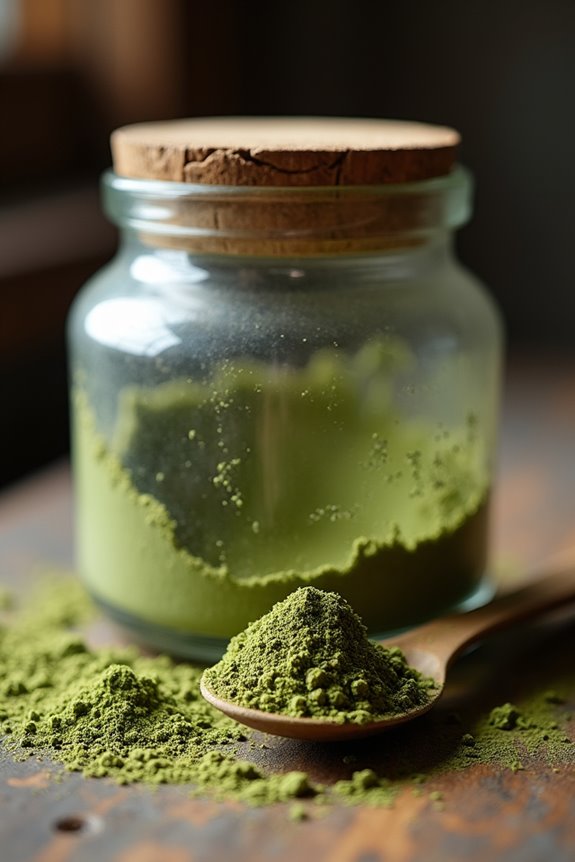
Rather than toss out matcha that’s past its prime, there’s a practical solution: incorporate it into recipes where its diminished flavor and duller color won’t stand out.
Oxidation causes flavor loss and color change over time, even with proper matcha powder storage. Your older matcha still contains nutrients, though reduced. Transform it strategically:
- Blend into lattes – steamed milk masks subtle off-notes while heat mellows staleness
- Mix into smoothies – fruit flavors overshadow weaker matcha profiles effectively
- Bake into goods – cookies, pancakes, or cakes use matcha’s color without requiring peak freshness
These recipes to use older matcha extend your supply’s value. The cooking process further reduces any bitterness that develops as matcha ages. You’ll minimize waste while maintaining quality in your kitchen routine.
How to Spot Fresh Matcha When Shopping
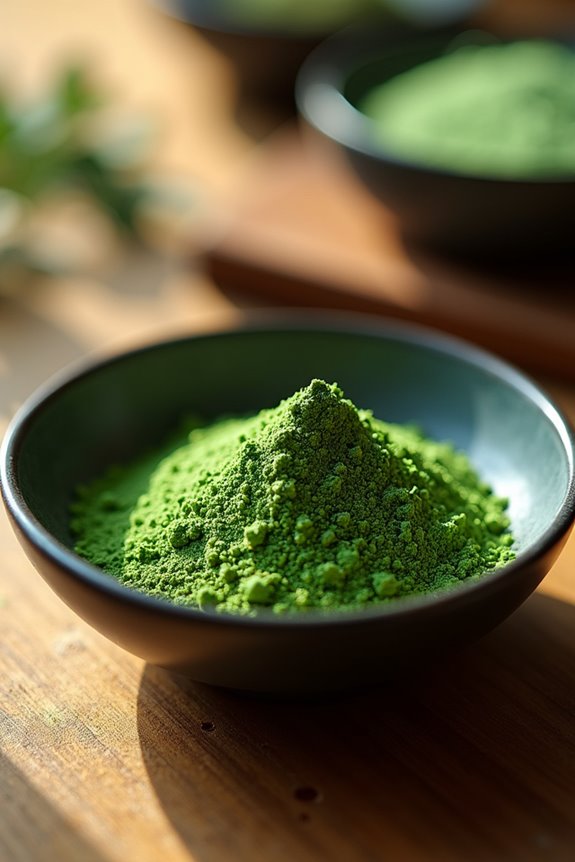
Now that you know how to rescue older matcha in your pantry, let’s focus on selecting the freshest matcha from the start.
When shopping, you’ll want to examine the bright green color first. Vibrant emerald indicates quality and freshness, while dull yellow-green signals aging and flavor decline. Next, check the aroma freshness by smelling the package if possible. Fresh matcha smells grassy and clean; musty odors mean deterioration has begun.
Feel the texture quality between your fingers. Fine, powdery matcha that sifts easily shows proper storage. Grainy or sandy textures indicate moisture exposure or age.
Finally, consider foam ability. Quality matcha froths beautifully when whisked, creating a bubbly layer. Poor foam suggests lower quality or spoilage.
Once you’ve purchased fresh matcha, transfer it to an airtight storage container kept in a cool, dark place. This preserves quality for weeks ahead.
Where to Buy Fresh Matcha: What to Look For
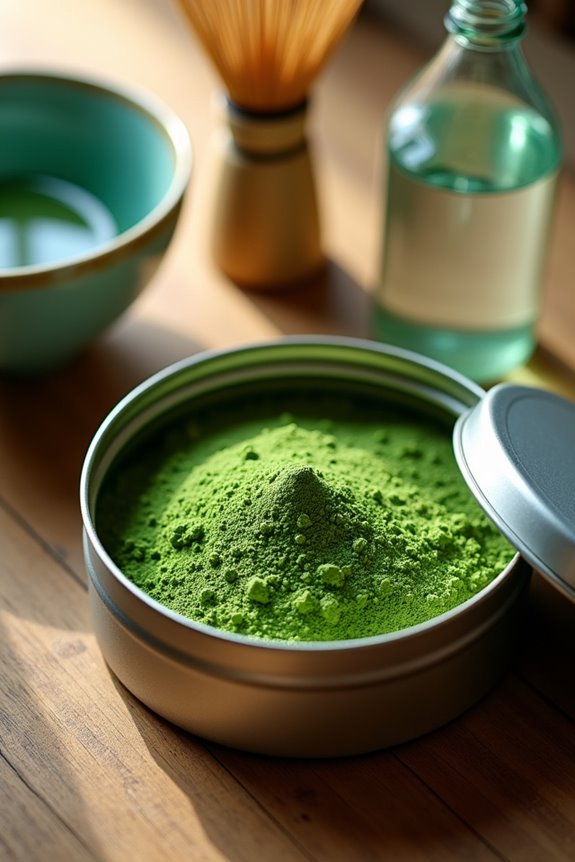
When you’re shopping for matcha, you’ll want to assess quality indicators like color vibrancy and aroma strength, which directly signal freshness and proper storage conditions. Reputable retailers matter most because they rotate their stock regularly, meaning you’re buying recently produced matcha rather than aged inventory that’s lost potency. Check that packaging includes both a roast date and recommended storage instructions—airtight, opaque containers—so you know exactly what you’re getting and how to preserve it once you bring it home.
Quality Indicators To Assess
How do you know you’re buying truly fresh matcha? You’ll want to assess several quality indicators that signal whether your powder’s been recently processed or has deteriorated over time.
- Color and aroma: Vibrant bright green powder with a grassy, fresh scent indicates recent harvesting. Dull yellow-green color or musty odors reveal aging and quality decline.
- Packaging integrity: Check that your matcha arrives in airtight, opaque containers—metal tins or UV-protected pouches work best. Transparent jars expose the powder to light and moisture, degrading matcha freshness rapidly.
- Label transparency: Reputable sellers state the grade, origin, harvest date, and processing details. They’ll also include expiration dates and storage conditions—cool, dark, and dry environments preserve quality longest.
Storage Practices Matter Most
Because matcha’s delicate compounds break down when exposed to light, heat, and moisture, where and how you store it directly determines whether you’ll enjoy a vibrant cup or a dull, flavorless brew. You’ll want to use an airtight container made from non-glass materials, since glass doesn’t provide adequate light protection. Store unopened tins in a cool, dark place away from your kitchen’s heat sources and strong odors. Once you open a tin, consume it within a few weeks to preserve its potency and freshness preservation. Refrigeration works well if you use a dark, airtight container, but always allow matcha to reach room temperature before opening to prevent condensation. Minimize bulk purchases by opening one tin at a time, protecting your remaining matcha storage from degradation.
Chamberlain Coffee’s Fresh Matcha Options
If you’re wondering where to find quality matcha that stays fresh, Chamberlain Coffee’s lineup deserves your attention. You’ll discover options designed to combat the common culprits of matcha deterioration: oxidation, light exposure, and heat damage.
Quality matcha requires protection from oxidation, light, and heat—Chamberlain Coffee’s packaging delivers exactly that.
Here’s what sets their approach apart:
- Airtight, opaque packaging that shields your matcha from light and oxygen, which accelerate quality loss and expiration
- Storage guidance emphasizing proper container conditions to maintain matcha freshness beyond standard shelf life
- Fresh delivery options including recurring shipments every 21, 30, or 60 days, ensuring you consume matcha at peak quality
You’ll receive guidance on keeping your matcha in dark, sealed containers away from heat sources. This practical approach addresses why matcha degrades faster than other teas—its powdered form increases surface area exposed to degrading elements. Their subscription model guarantees you’re never stuck with aging inventory.