
A zero-proof cocktail delivers sophisticated flavor and elegance without alcohol by using a simple 2:1:1 ratio: two ounces of non-alcoholic spirit base (like botanical NA gin), one ounce of sweetener (simple syrup or fruit juice), and one ounce of citrus (fresh lemon or lime juice). You’ll mix these components, add ice, and finish with proper glassware and garnish to complete the experience. This framework balances structure and customization, letting you adjust ratios to emphasize different flavor notes while maintaining spirit-forward character—and there’s much more to discover about building homemade bases and adapting classic recipes.
How Zero-Proof Cocktails Differ From Mocktails
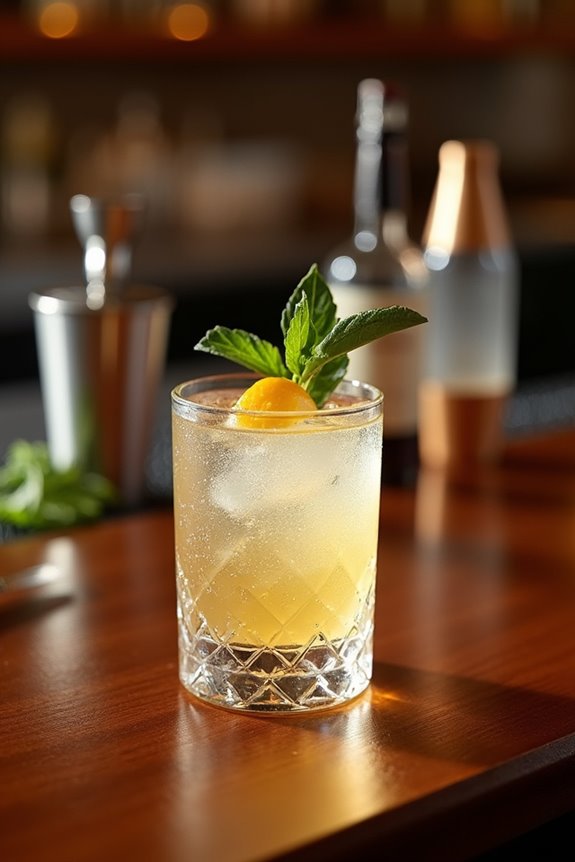
While both zero-proof cocktails and mocktails skip the alcohol, they’re built on fundamentally different approaches. Zero-proof cocktails use specialized non-alcoholic spirits like Seedlip or Lyres to recreate gin, rum, or whiskey profiles. They prioritize flavor layering, aroma, and presentation through bitters, botanicals, and syrups. You’re experiencing the full cocktail framework—think proper glassware, garnish, and balanced ratios.
Mocktails take a simpler path. They typically combine juices, sodas, and syrups without spirit substitutes. While tasty, they don’t aim to replicate the traditional cocktail experience.
The key difference? Intent. Zero-proof cocktails reconstruct what makes cocktails special: complexity and sophistication at 0.0% ABV. Mocktails focus on being refreshing drinks that happen to be non-alcoholic. Both serve you well, but zero-proof delivers that authentic spirit-forward experience you’re seeking.
The Golden Ratio for Zero-Proof Cocktails
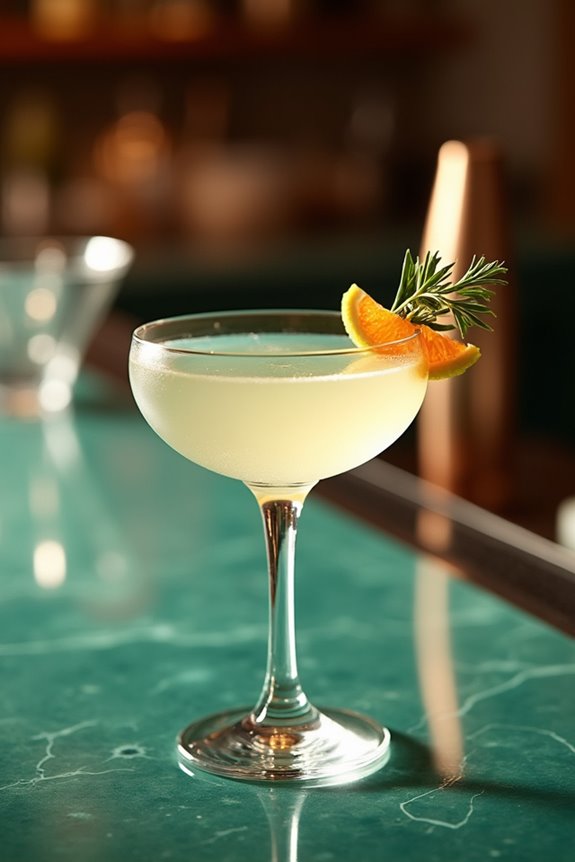
You’ll build your zero-proof cocktails on a simple foundation: two ounces of zero-proof spirit, one ounce of sweet component, and one ounce of sour component—this 2:1:1 ratio creates the balanced structure that makes cocktails work. Once you’ve mastered this framework, you can adjust the spirit upward or downward to emphasize botanical, citrus, or spice notes, or shift your sweet and sour elements to match your taste preferences without adding alcohol. This flexibility means you’re not locked into one formula; instead, you’re working within proven proportions that you can confidently customize.
The 2:1:1 Framework
How do you build a balanced zero-proof cocktail without the guesswork? You’ll want to follow the 2:1:1 framework, a proven formula that mirrors traditional cocktail structure. Start with 2 ounces of zero-proof spirit as your base, then add 1 ounce of sweetness (syrup or juice) and 1 ounce of citrus or sour mixer. This ratio creates harmony between components, ensuring your mocktail stays drinkable and well-balanced.
| Component | Amount | Examples |
|---|---|---|
| Zero-proof spirit | 2 oz | Non-alcoholic whiskey, gin, rum |
| Sweetness | 1 oz | Simple syrup, fruit juice |
| Citrus/sour | 1 oz | Lemon juice, lime juice |
You’re not locked into these exact proportions. Adjust by adding more spirit for intensity or extra citrus for brightness. Document your changes so you’ll replicate successful batches consistently. This framework removes uncertainty while inviting experimentation.
Adjusting Ratios To Taste
The 2:1:1 framework isn’t a rigid rule—it’s your starting point. You’ll adjust these ratios based on what your palate tells you. If you want a stronger zero-proof spirit presence, increase that base component up to 2.5 or 3 ounces. For a milder taste, dial it back to 1.5 ounces instead.
When your drink tastes flat, you’ve got clear options. Bump up the sour component first—citrus brightens everything. Or add a dash of bitters to introduce complexity without alcohol. These small tweaks matter.
Fine-tune in increments of 1/4 to 1/2 ounce to avoid overshooting. Always taste after chilling, since temperature changes how flavors register. This methodical approach keeps you in control, ensuring each sip hits the balance you’re seeking.
Balancing Spirit And Mixers
What makes a zero-proof cocktail actually taste balanced? You’ll follow the golden ratio: two parts spirit substitute to one part sweet component to one part sour element. Start with two ounces of zero-proof spirit, then add one ounce of syrup or juice, and one ounce of citrus juice or vinegar. This foundation creates harmony without alcohol.
The spirit substitute anchors your drink, while the sweet component adds depth, and the sour element brightens everything together. These three parts work in proportion, each one supporting the others. You’re building a framework that substitutes for traditional cocktail structure.
Once you’ve mixed this baseline, garnishes become your secret tool. They enhance complexity through aroma and presentation, reinforcing the balance you’ve created. This approach gives you control over your zero-proof cocktail’s final taste.
What You Need: Tools and Starter Ingredients
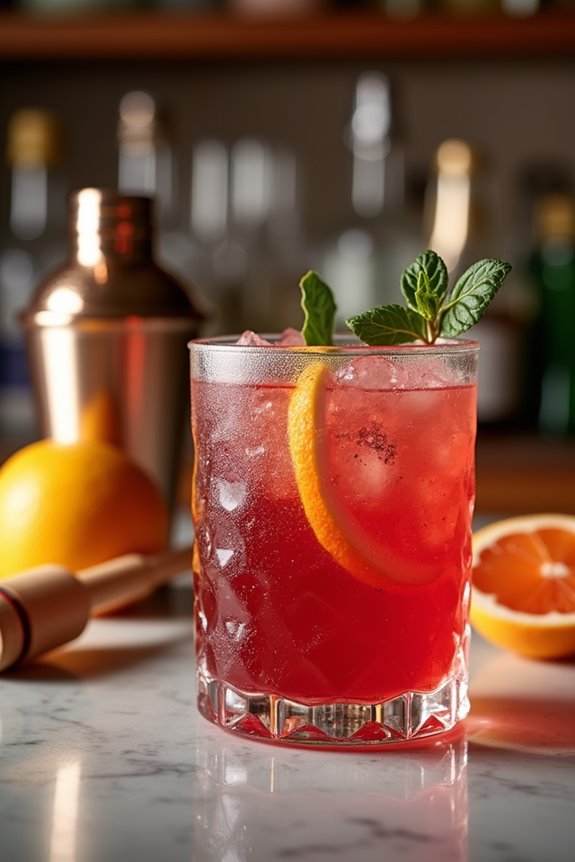
You’ll need specific tools to create a zero-proof spirit that’s clear, flavorful, and shelf-stable for about a week. A large jar or pitcher serves as your mixing vessel, a fine-mesh strainer removes solids after steeping, and a storage bottle holds your finished product (roughly 24 ounces). Your base ingredients—tea, fruit juices, herbs, citrus zests, and sweeteners—work together to build complexity and depth without any alcohol content.
Essential Equipment & Vessels
Creating zero-proof cocktails doesn’t require fancy equipment or specialized tools. You’ll find that basic items from your kitchen work perfectly for crafting sophisticated non-alcoholic drinks. Start with a large jar or pitcher as your primary vessel for steeping and mixing ingredients. A wide-mouth container makes muddling easier, allowing you to crush herbs and fruits effectively while building complex flavors.
| Equipment | Purpose | Why It Matters |
|---|---|---|
| Large jar | Steeping & mixing | Holds full recipe batch |
| Fine-mesh strainer | Filtering solids | Ensures smooth texture |
| Storage bottle | Preservation | Keeps cocktail fresh |
| Muddler or spoon | Flavor extraction | Releases aromatics properly |
You’ll also need a boiling vessel for heating infusions, a straining funnel for transferring liquid, and a shaker or mixing bowl for blending. These zero-proof equipment pieces combine affordability with functionality, enabling you to create bar-quality cocktails at home.
Base Ingredients & Botanicals
Now that you’ve got your equipment ready, it’s time to stock your pantry with the building blocks that’ll make your zero-proof cocktails taste sophisticated and complex.
You’ll want to gather these essential base ingredients and botanicals:
- Citrus peels, juniper, and lemongrass—these create depth and aroma that mimic traditional spirit characteristics
- Fresh mint, ginger, and peppery spices—these anchor flavor profiles and add perceived complexity
- Fruit juices, herbal infusions, tea, sparkling water, and syrups—these form your mocktail’s body and foundation
The 2:1:1 flavor framework guides your balance: two parts spirit substitute, one part sweet, one part sour. This ratio ensures your non-alcoholic drink tastes intentional and refined. Fresh garnishes like citrus twists and edible flowers enhance aroma further. Together, these base ingredients transform simple components into genuinely sophisticated zero-proof cocktails you’ll confidently serve.
Make Your First Zero-Proof Cocktail
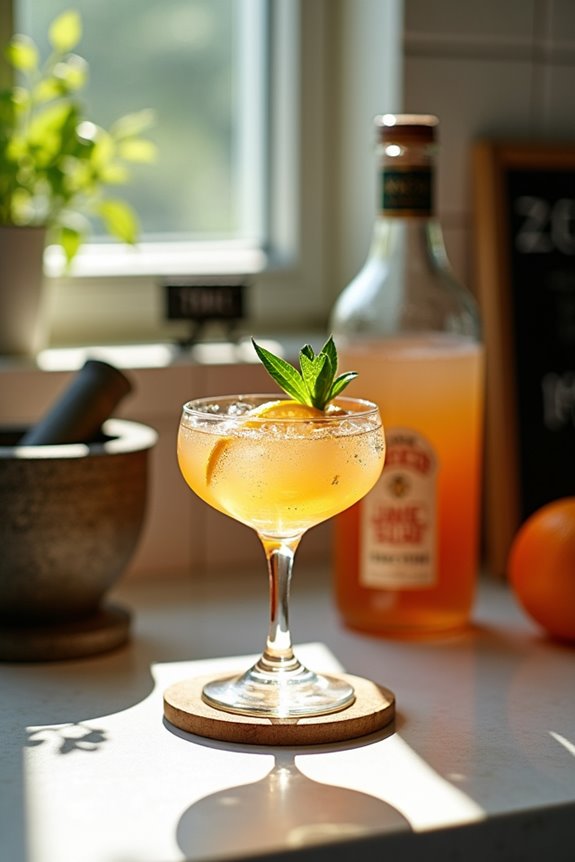
How do you build a cocktail without alcohol? Start by selecting a non-alcoholic spirit or base like juice or tea. Next, incorporate a sweet element—simple syrup works well—and a sour component such as fresh citrus juice. Use the 2:1:1 ratio as your foundation: two parts base, one part sweet, one part sour. Adjust this proportion to match your taste preferences.
Combine your ingredients in a large vessel. If you’re using tea or botanicals, steep them first, then strain the mixture. Pour your creation into an airtight bottle and refrigerate it. When you’re ready to serve, pour your cocktail over ice in an appropriate glass. Add a citrus twist or fresh herb garnish to enhance depth and visual appeal. Consume within one week for optimal freshness.
7 Classic Cocktails Made Zero-Proof
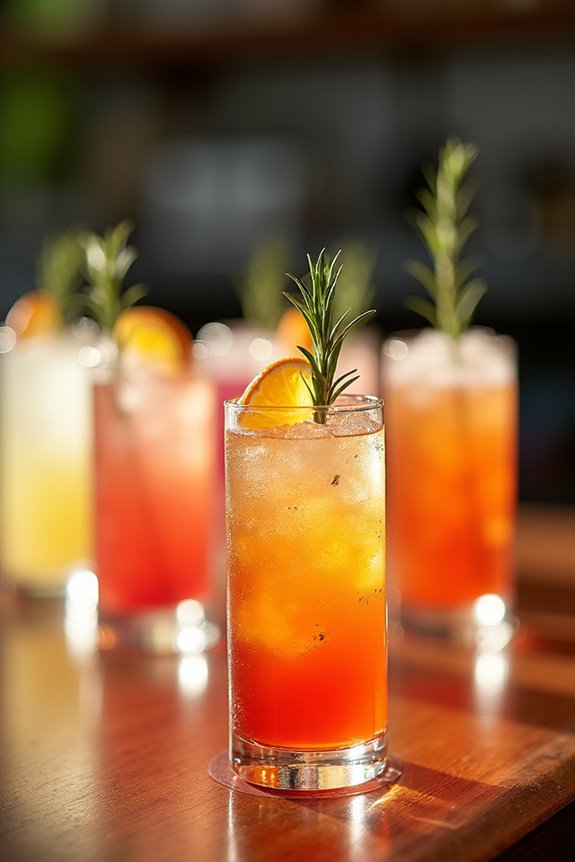
Once you’ve mastered the basic 2:1:1 framework, you’re ready to tackle the classics—and you’ll find they translate remarkably well into zero-proof versions. Seven standout mocktail adaptations showcase how non-alcoholic spirits preserve the original drinks’ character:
Master the basics, then elevate your mocktails with seven classic adaptations that prove zero-proof doesn’t compromise on character or sophistication.
- A zero-proof Mojito delivers refreshing mint and lime balance without losing its crisp appeal
- The Margarita reimagined maintains that perfect citrus-sweetness tension you crave
- An Old Fashioned crafted with botanical NA bases achieves the sophisticated depth of the original
Each classic cocktail relies on garnish presentation and proper glassware to complete the experience. You’ll use brands like Seedlip or Lyres to mirror botanicals and spice profiles from traditional recipes. The Gimlet, Moscow Mule, Gin & Tonic, and French 75 all follow similar principles, ensuring you join a growing community discovering that zero-proof doesn’t mean compromising flavor or elegance.
Build Homemade Zero-Proof Spirits (Optional)
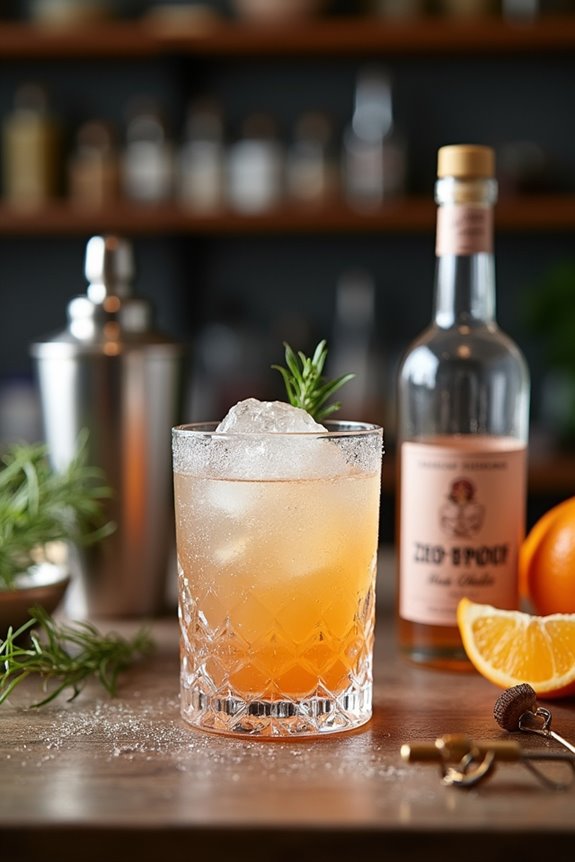
While store-bought zero-proof spirits offer convenience, you can easily craft your own botanical-based substitutes at home with minimal equipment and ingredients. Start by selecting your base—tea, herbs, fruit, or bitter/savory botanicals—then infuse it with complementary spices and aromatics in a large vessel. Steep your chosen ingredients for about one hour to extract maximum flavor. This simple process concentrates the aromatic compounds that create complexity in non-alcoholic drinks.
Once steeped, bottle your homemade creation for storage. You’ll produce a 24-ounce batch ready for immediate use in cocktail substitution. Homemade zero-proof spirits deliver impressive flavor depth without the alcohol content, enabling you to build sophisticated drinks that rival their traditional counterparts. This approach connects you with craft cocktail culture while maintaining full control over your ingredients.
Customize and Scale Flavors to Your Taste?
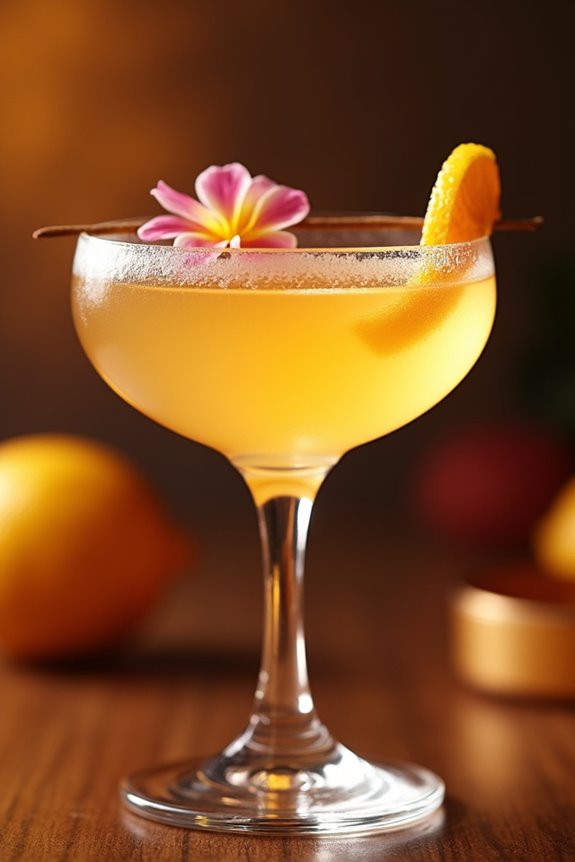
The beauty of zero-proof cocktails lies in your ability to adjust every component to match what you actually enjoy drinking. You’re not stuck following rigid recipes—you’re building drinks that feel genuinely yours.
Start with the 2:1:1 framework as your baseline: two parts base substitute, one part sweet element, one part sour element. This foundation gives you a reliable starting point. Then customize systematically:
- Swap your base substitute (fruit juice, tea, or infusion) to match your preferred flavor direction
- Adjust sweet and sour components until the balance feels right to you
- Layer bitters, syrups, and fresh herbs to deepen complexity and aroma
When scaling for groups, prepare a concentrated base and dilute with soda or sparkling water. This approach lets everyone personalize their zero-proof cocktails without extra effort, creating drinks your crowd actually wants to drink.